For decades, natural rubber and synthetic rubber blends have been the standard materials for automotive wiper blades. They are cost-competitive and clean the glass well. However, the environment around modern vehicles has changed. Heated windshields, hydrophobic glass coatings, and higher expectations for cabin quietness are increasing market interest in silicone wiper technology.
For distributors, repair shops, and parts retailers, a practical question comes up: Is silicone really a material upgrade, or just another marketing trend?
To answer this question, it helps to first understand the science behind these two materials.
The service life of a wiper blade largely depends on its molecular structure.
A new rubber blade usually wipes well and remains the lowest-cost option in the market. However, its main weakness is sensitivity to ozone and ultraviolet light.
Rubber molecules contain unsaturated carbon bonds. When these bonds are exposed to ozone (common in urban air pollution) or strong sunlight, they start to break down. Over time, the surface fades and the edges develop cracks. In many climates, this aging process can begin after three to six months of use.
Silicone is built on a different molecular structure based on silicon-oxygen bonds. These bonds are much more resistant to heat, UV light, and ozone.
As a result, silicone blades can keep their flexibility across a wider temperature range. They are less likely to harden in hot weather and less likely to become brittle in cold conditions.
|
Feature |
Traditional Rubber |
Premium Silicone |
The B2B Advantage |
|
Lifespan |
3-6 Months |
12+ Months |
Higher Customer Satisfaction: Longer intervals between replacements reduce support tickets and warranty claims |
|
Temperature Range |
-30°C to 70°C |
-50°C to 150°C |
Broader Market Appeal: Suitable for extreme northern winters and southern desert climates with one SKU |
|
UV/Ozone Resistance |
Low (Cracks visible within months) |
High (No visible degradation) |
Better Shelf Life: Silicone blades won't degrade sitting in a hot warehouse or display rack |
|
Wipe Quality |
Good initially |
Consistent (often includes powder coating) |
Premium Feel: The "silent glide" factor is a strong upsell mechanic for service advisors |
In recent years, several premium car brands have started to equip some new models with silicone wiper blades as original equipment.
For the aftermarket, this sends a clear signal. When automakers upgrade materials during production, consumer expectations usually change as well. Drivers who have experienced silicone car wipers on new vehicles are more likely to look for similar products when buying replacement parts.
This shift suggests that silicone will become an increasingly important premium segment within the wiper blade category.
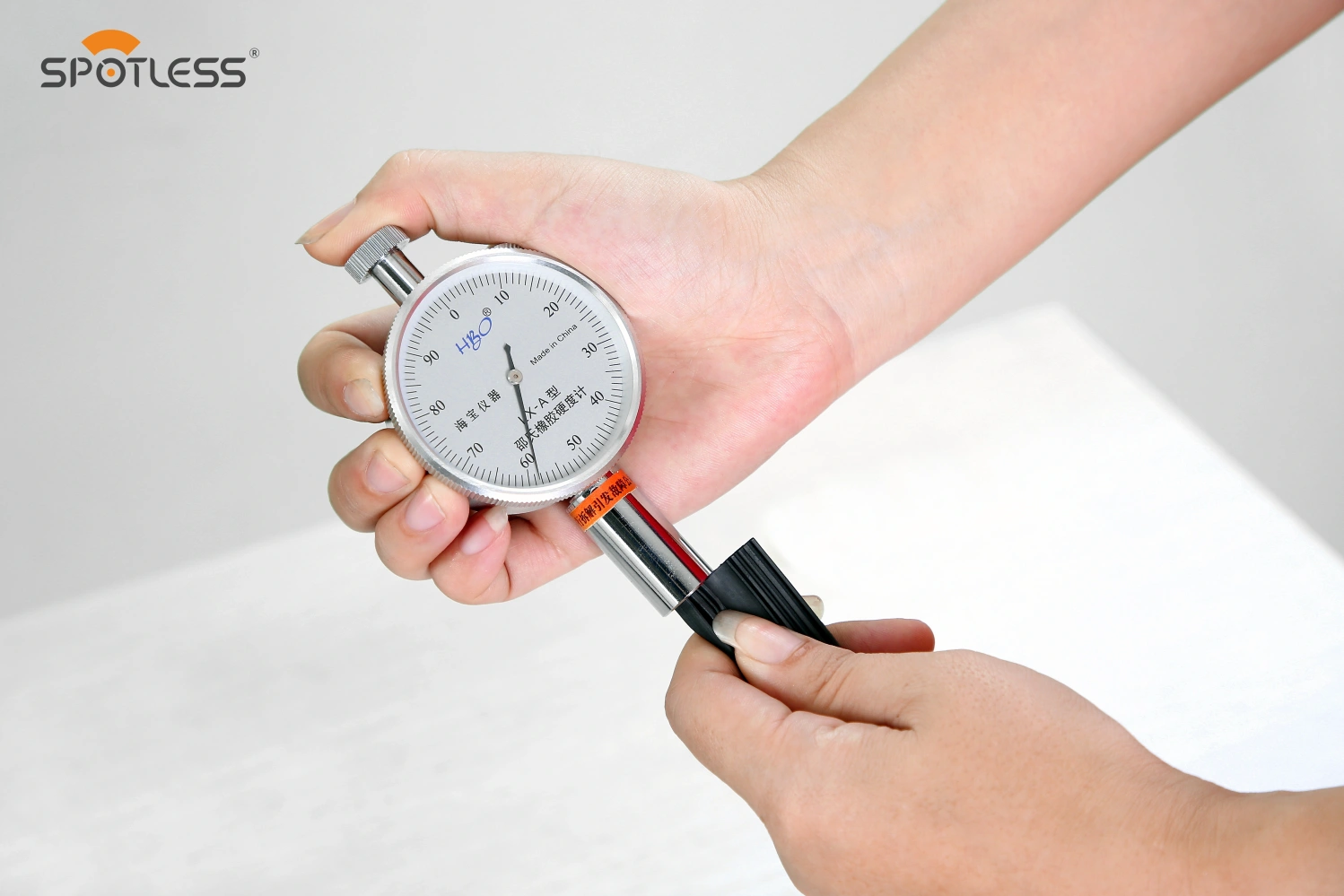
At SPOTLESS, we focus on practical innovation for the automotive aftermarket. As a professional B2B wiper blade manufacturer, our goal is to supply distributors, retailers, and workshops with reliable, high-quality wiper products.
We offer both silicone and natural rubber wiper blades. This allows our partners to choose the right solution for their local market.
Our manufacturing process ensures uniform silicone mixing and proper vulcanization. This helps avoid the common quality issues seen in low-cost products.
For distributors and brand owners, we provide OEM-grade silicone wiper blades with custom branding and packaging.
An aging rubber blade can easily damage a customer's trust. Upgrading your product line with durable silicone technology can help protect both your reputation and your profit. Email wiperblade8@xmyujin.com or Contact us for more details, free samples, or bulk quotations. Let’s build a stronger aftermarket business together.