There are quite a few ways to do business in the windshield wiper industry. Which path makes sense depends on your budget, your customers, and the resources you have on hand. According to the Auto Care Association, the total light, medium, and heavy-duty automotive aftermarket is expected to reach $664.3 billion by 2028. The opportunity is there. The key is picking the right path.
Let's start with three common ways people sell wiper blades: retail, wholesale, and online.
Retail is simple. You sell wiper blades directly to vehicle owners. If you're doing retail, you need enough stock to cover different vehicle models. Conventional wiper blades, beam wiper blades, hybrid wiper blades, and sometimes winter wiper blades all need to be on the shelf if you want to serve different customers.
The customer base is mixed. Some are DIY car owners who just want a quick replacement. Others are repair shops or fleet operators that buy regularly.
The biggest advantage of retail is margin. You usually make more on each piece than in wholesale. Wiper blades are also a regular replacement item. Most manufacturers recommend changing them every 6 to 12 months, which helps bring customers back.
The hard part is inventory. You need many sizes and fitments to cover different vehicles. Too much stock ties up cash. Too little stock means missed sales. You also need people who understand fitment and can help customers choose the right blade.
Wholesale means supplying wiper blades to parts stores, workshops, service chains, fleet companies, and online sellers. For wholesalers, moving volume usually matters more than making a big margin on each piece. Most focus on products that sell fast and many also run private-label programs.
When customers buy from a wholesaler, they usually look at three things: Can you supply steadily? Is the price competitive? Can you cover enough vehicle models?
The reason this business keeps moving is pretty simple—wiper blades wear out and people keep replacing them. No matter how new car sales perform, replacement demand stays fairly steady. As vehicles stay on the road longer, the need for replacement parts keeps growing.
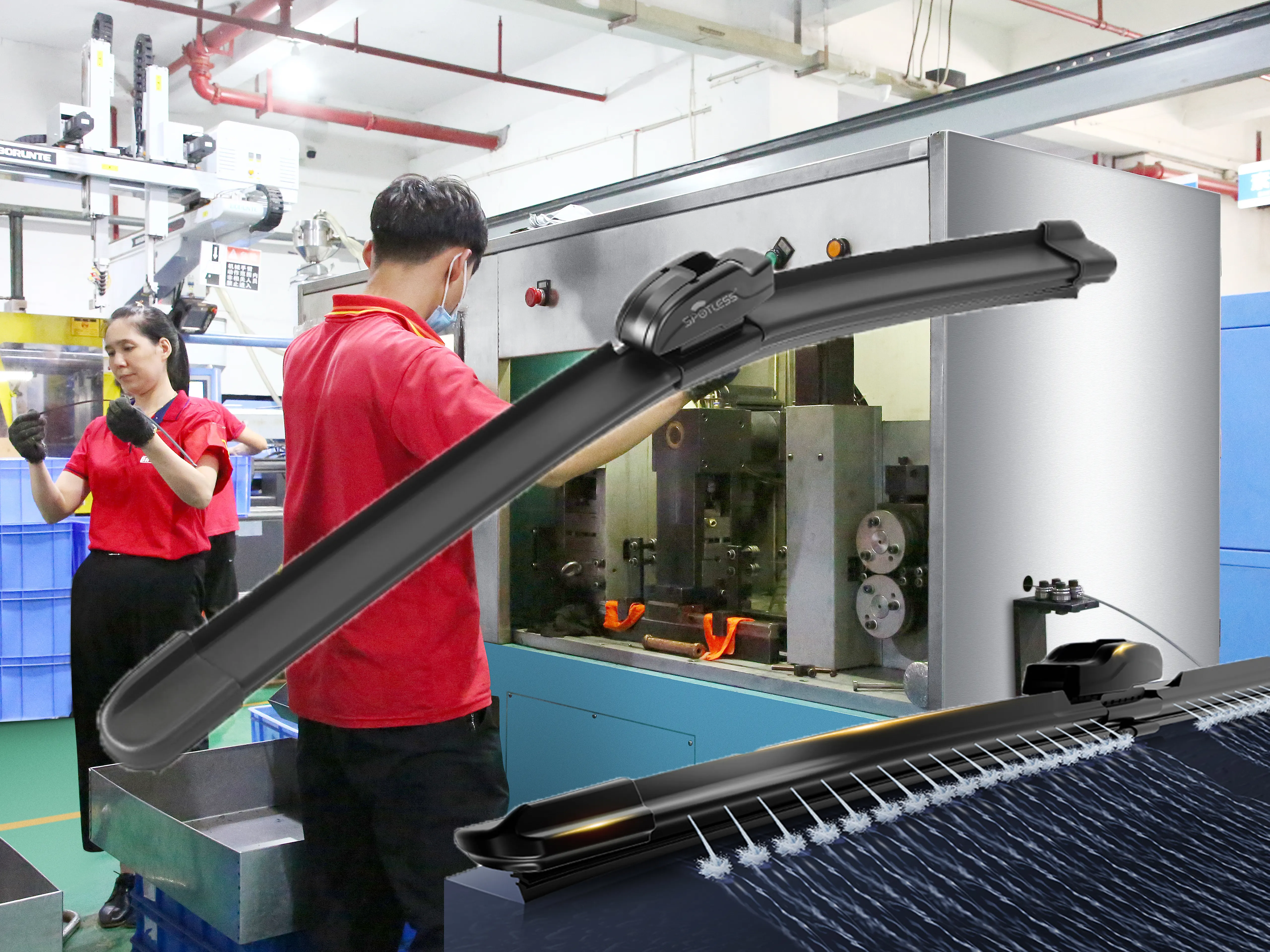
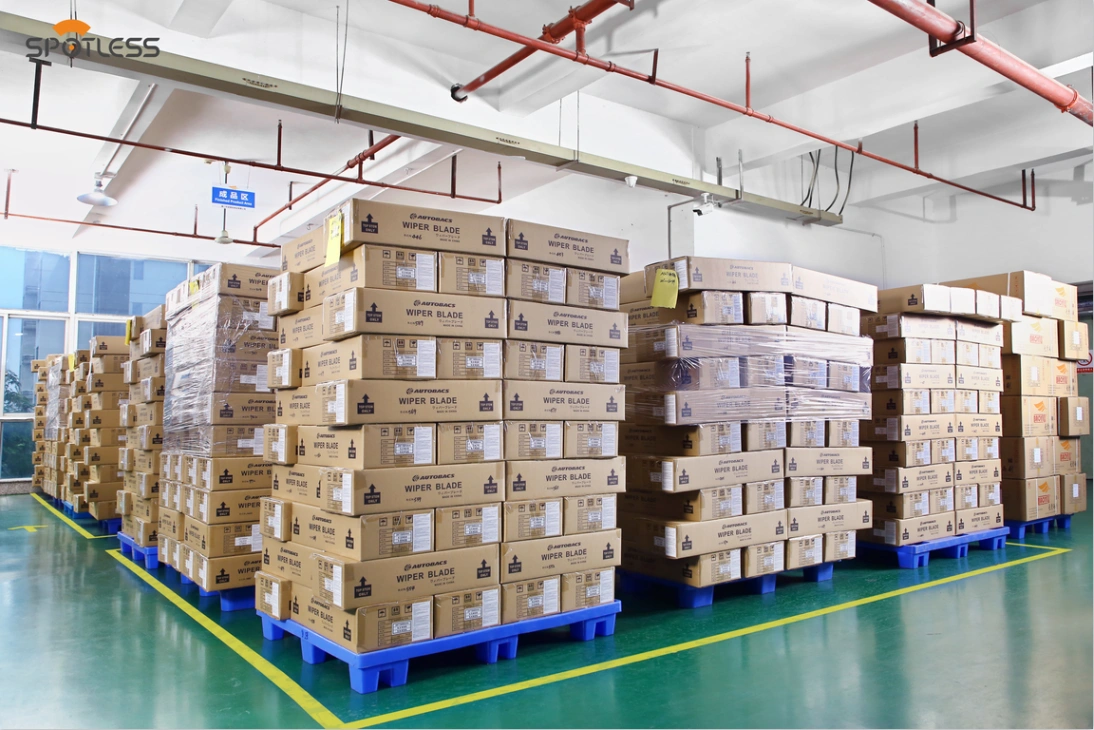
For many wholesalers, choosing the right supplier is half the battle. A good wiper blade factory helps you keep quality steady, delivery on time, and pricing under control.
The challenge is that margins are thinner than retail. Inventory turnover becomes very important. Slow-moving stock can eat into profits quickly. On top of that, direct online sellers create more price pressure than before.
Wiper blades are actually a pretty good fit for online sales. You can sell through Amazon, eBay, your own website, or B2B platforms such as Alibaba and Made-in-China. Car windshield wipers are lightweight, easy to ship, and more standardized than many other automotive parts.
Most buyers search by vehicle make, model, and year. Because of that, fitment accuracy is often even more important than price. Another advantage is repeat business. A simple email reminder, a seasonal promotion, or even a subscription plan can bring customers back when it's time for their next replacement.
But competition online is tough. Many sellers compete mainly on price. Fitment mistakes are still one of the biggest reasons for returns.
To sell wiper blades online, you usually need four things: decent product quality, clear installation guides, accurate fitment information, and solid online marketing.
A lot of businesses don't stick to just one sales channel anymore.
Some auto parts stores run a physical shop and sell online at the same time. That way they can serve local customers and pick up orders from outside their area too.
Some distributors still supply retailers as usual while building their own brands on the side. Once customers recognize the brand, repeat business becomes easier and margins usually improve.
Manufacturers and larger distributors often do both wholesale and online direct sales. It helps them reach different types of customers instead of relying on only one source of business.
The good thing about having more than one channel is flexibility. If one slows down, the others can help keep things moving. That makes the business less vulnerable to market changes.
There is no single model that works for everyone. As businesses grow, many end up combining two or even three channels.
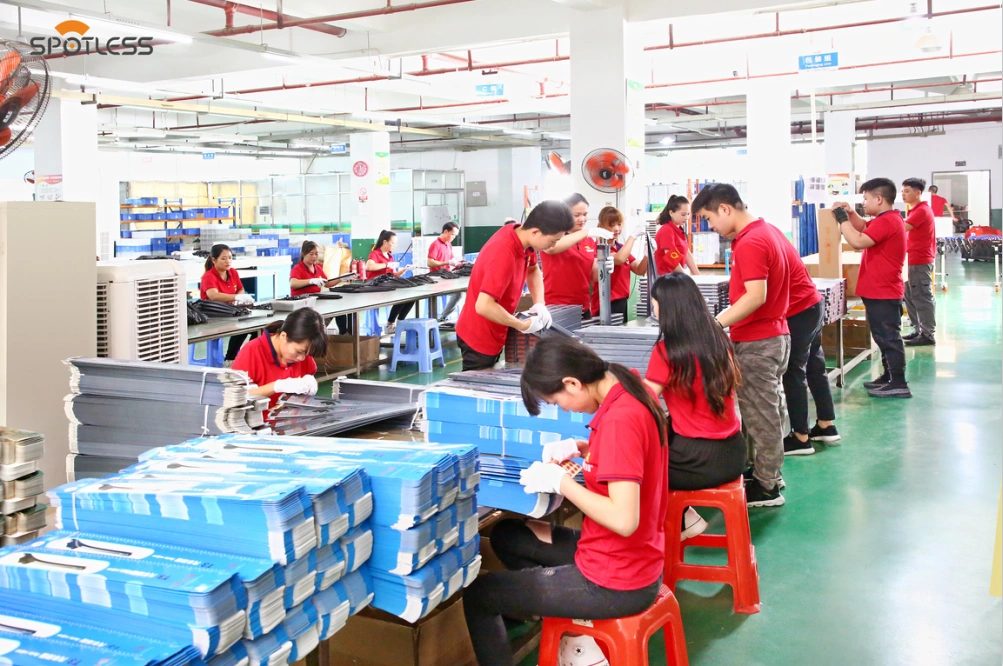
Whichever model you choose, one thing matters most—a supplier you can count on.
Stable quality, broad vehicle coverage, flexible MOQ, and reliable delivery all make a difference to your business in the long run.
Whether you're growing an auto parts store, building a wholesale business, or launching your own wiper blade brand, SPOTLESS can help with products and support that fit your market.
If you're thinking about changing your current business model, or looking for a long-term wiper blade supplier, feel free to email wiperblade8@xmyujin.com. We'd be glad to share some practical ideas based on your market and business plans.