Many car owners don’t really know the difference silicone vs rubber wiper blades. They look at the price and usually pick the cheaper one.
For auto parts stores and installers, asking a few simple questions can help customers choose the right wiper blade for their driving habits and local weather.
This article gives you an easy way to explain the differences, along with some practical tips, so you can talk to customers with confidence.
Train your sales staff to ask these questions before recommending a wiper blade.
Outside:
If the car stays outside all day, the wiper blades wear out faster. Rubber is more likely to age under strong sunlight and high temperatures. Silicone handles UV and heat much better.
Indoor parking:
If the car is usually parked in a garage and driven in normal conditions, rubber wiper blades are often enough.
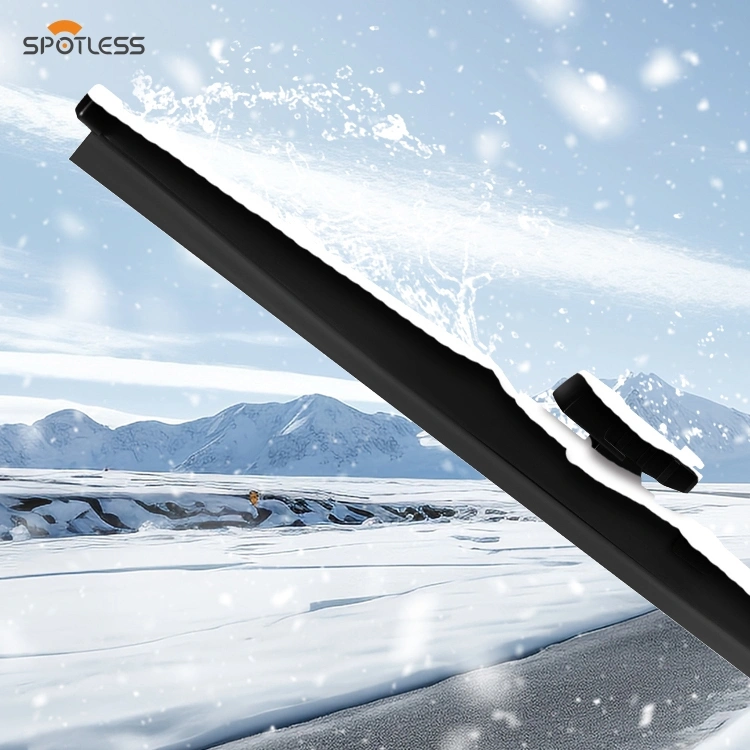
Cold weather makes a big difference. Rubber can become hard, crack, or stick to the windshield in freezing temperatures. Silicone stays flexible even in the cold and performs better in harsh weather.
If your customer lives in an area with heavy snow or very cold winters, silicone is usually the better choice.
This question quickly shows what the customer cares about.
Rubber: Lower upfront cost. Most windshield wiper blades need replacing every 6 to 12 months.
Silicone: Higher upfront cost, but they can last 18 to 24 months with normal use.
For customers who prefer to replace wipers less often, silicone is usually a better fit.
Here are some main differences between natural rubber and silicone wiper blades.
|
Features |
Natural Rubber wipers |
Silicone wipers |
|
Lifespan |
6–12 months |
18–24 months |
|
Performance in extreme conditions |
Degrades faster in UV, heat, and ozone |
Resists UV, ozone, and temperature extremes—used in aerospace and medical applications where rubber would fail |
|
Heat tolerance |
Up to 104°F |
Up to 200°F |
|
“Set it and forget it” |
More often than the silicone wiper |
Can last up to twice as long as rubber |
Helping customers choose the right product is much better than simply selling the more expensive one.
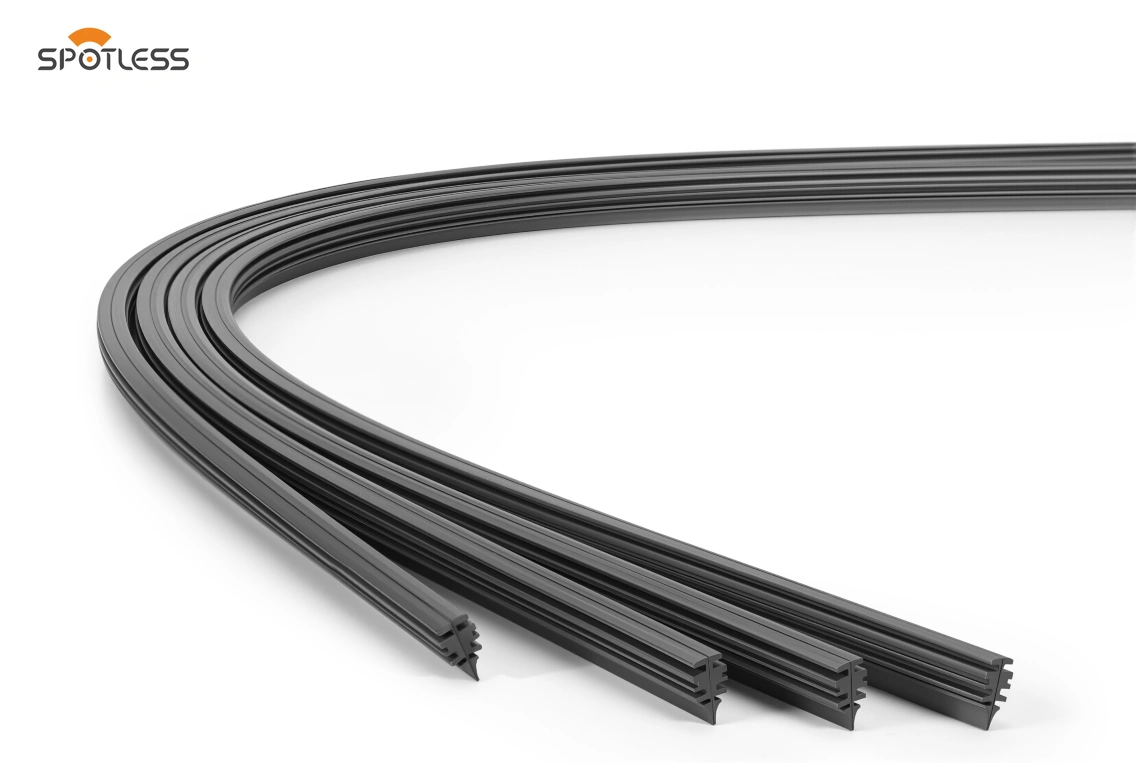
Silicone material and production cost more than standard rubber.
But they last longer and handle weather better, so they often offer better value over time.
No. Silicone wiper blades are safe for windshields. Some silicone blades can also leave a water-repellent layer on the glass, helping rain bead up and improving visibility.
Yes. Silicone stays flexible in low temperatures and performs well in winter conditions.
A good wiper blade sales guide is more than product knowledge. It helps customers make the right choice and builds trust. By offering both rubber and silicone wiper blades, you can meet different budgets and driving conditions. For wholesalers and retailers, understanding the differences between these materials also makes product planning much easier.
SPOTLESS supplies both rubber and silicone wiper blades for wholesalers and auto parts stores, with multiple adapter options available. We also provide bulk supply and technical support to help you serve different markets. If you’d like to learn more, feel free to email wiperblade8@xmyujin.com.