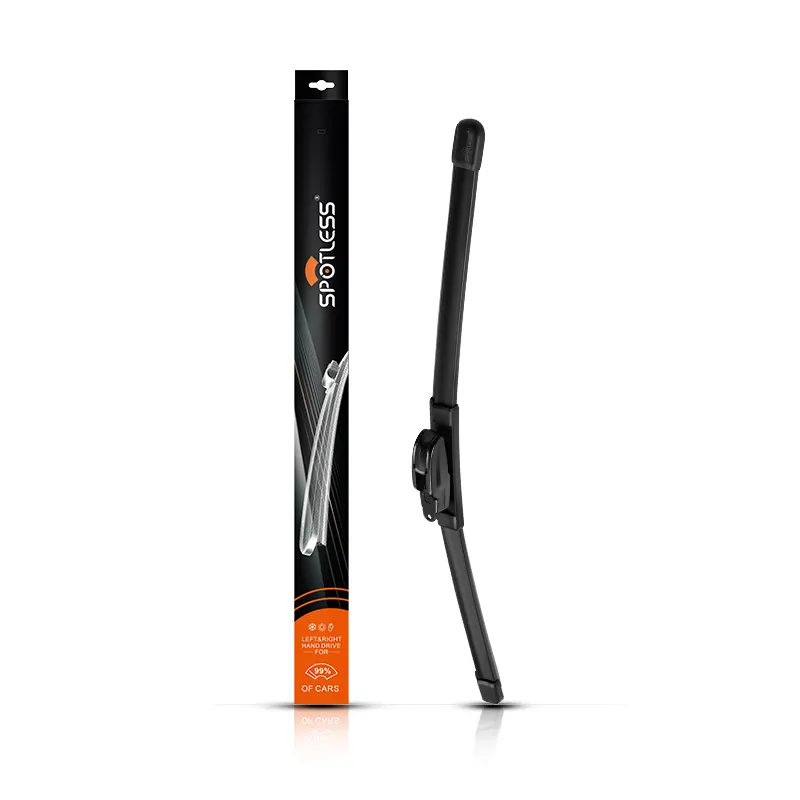
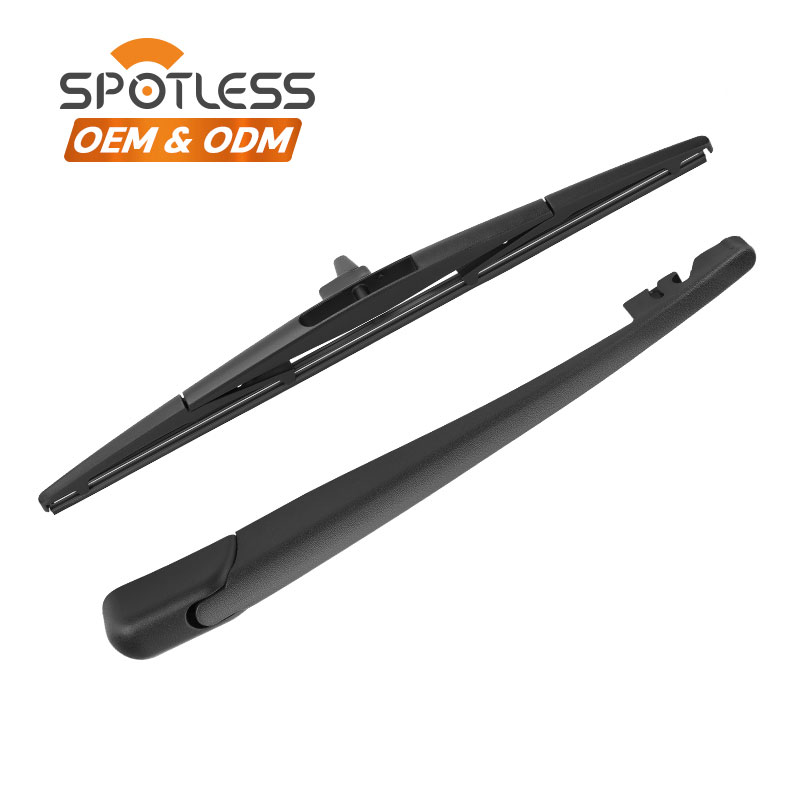
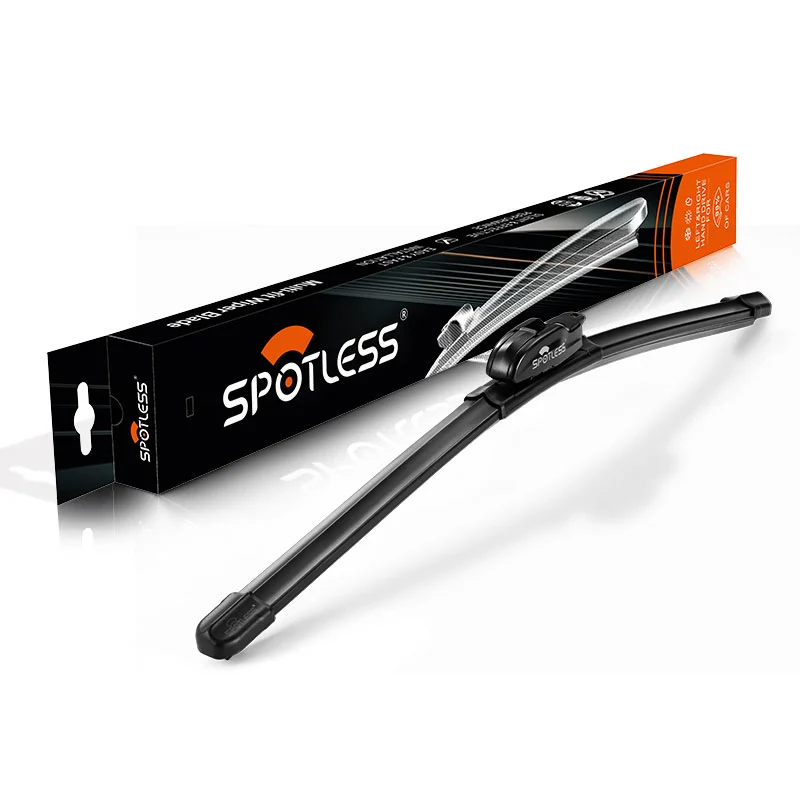
The global market for spray integrated wiper blades was valued at US$ 71.4 million in the year 2024 and is projected to reach a revised size of US$ 133 million by 2031, growing at a CAGR of 9.6% during the forecast period. (Global Wipers with Integrated Nozzle Market Research Report 2025). More and more automakers are moving toward wiper designs that integrate the washer nozzle directly into the blade. The reason is simple: water goes exactly where it is needed. The advantages are practical: water goes where it's needed, visibility stays clearer, less washer fluid is used, and the windshield stays cleaner while driving.
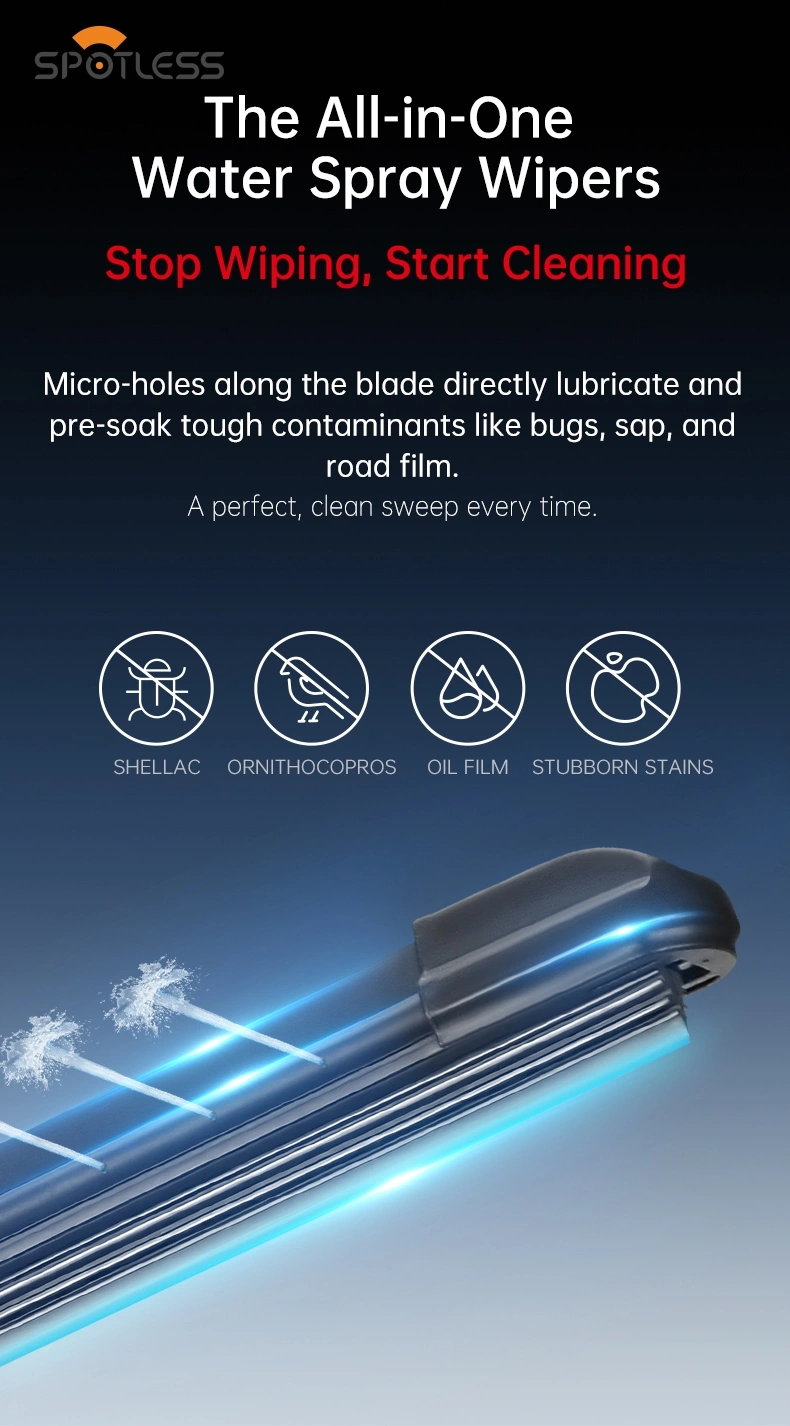
The traditional wiper blade market is growing steadily, but integrated spray wiper blades are gaining ground even faster. The reasons are easy to see:
Today, some models from Volvo, Ford, Tesla, and Mercedes-Benz already use this system. At the same time, suppliers such as Bosch, Valeo, and Denso are adding more applications, making replacement water spray wiper blades available for a wider range of vehicles.
As more vehicles leave the factory with this technology, the replacement market will naturally continue to expand.
Traditional washer systems spray fluid onto the windshield before the front windshield wiper wipes. For a split second, the windshield can become blurry.
Integrated spray systems avoid this by sending washer fluid directly along the wiping area. The blade wipes and sprays at the same time, helping keep the windshield clear throughout the cleaning process. This matters even more now, as many vehicles rely on cameras and driver assistance systems. A clean windshield matters more than ever.
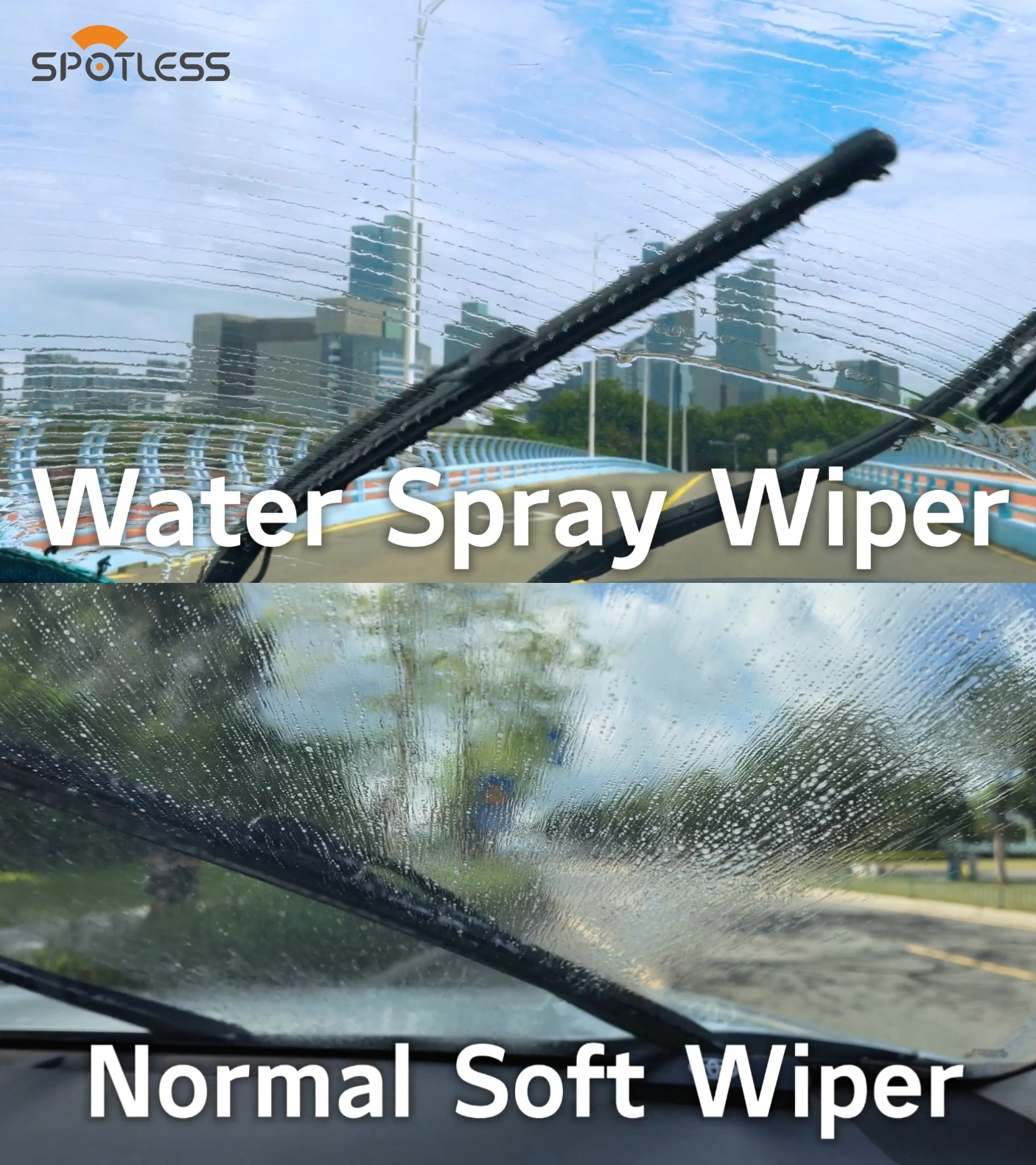
Another reason for the growing popularity is efficiency. Instead of spraying washer fluid into the air first, the fluid is delivered straight to the glass through the blade itself. Less fluid is wasted, cleaning is more effective, and drivers do not need to refill as often.
For fleets and drivers who spend a lot of time on the road, the savings can build up over time.
In the U.S., the average vehicle age is now over 12.8 years. As vehicles get older, demand for replacement parts grows, including wiper blades. Many owners keep their vehicles well beyond the warranty period and are willing to pay a little more for better wiping performance and a clearer view of the road.
Several major suppliers have already invested heavily in this segment.
|
Player |
Product |
Positioning |
|
Bosch |
Aerotwin J.E.T Blade |
Plastic-free packaging; expanding aftermarket range |
|
Valeo |
AquaBlade |
PACE Award winner; covers multiple Mercedes models |
|
DENSO |
Flat blade range |
Expanded coverage for Audi, Tesla, and European makes |
|
SPOTLESS |
SPOTLESS PT15 |
Industry-first plastic-steel integrated design windshield wiper adapter types |
Compared with standard wiper blades, spray wiper blades are usually sold at a higher price point.
Every year, more vehicles come equipped with integrated spray wiper systems, creating new aftermarket opportunities.
For distributors and retailers, early product availability can help build customer awareness before the market becomes more competitive.
Using less washer fluid while maintaining good cleaning performance can appeal to customers looking for practical and efficient products.
A clean windshield helps camera-based safety systems and ADAS perform as intended.
Integrated spray wiper blades are becoming one of the clearest technology trends in the global wiper blade industry. Major suppliers continue expanding product coverage, while the aftermarket replacement base grows year after year. For distributors and auto parts retailers, this creates access to a premium market segment that is still expanding and not yet overcrowded.
SPOTLESS specializes in OEM-grade integrated spray wiper blades. We provide distributors with product data, vehicle coverage information, and flexible cooperation options. For product details, catalog requests, or sample inquiries, email wiperblade8@xmyujin.com anytime.