The global wiper blade market is expected to grow with a CAGR of 2.9% from 2025 to 2031 (Wiper Blade Market Report).
For wholesalers and auto parts retailers looking at a new market, choosing the right wiper blade mix is just as important as choosing the right supplier. If your inventory is planned well, products move faster, stock pressure stays lower, and you can cover more vehicles with fewer SKUs.
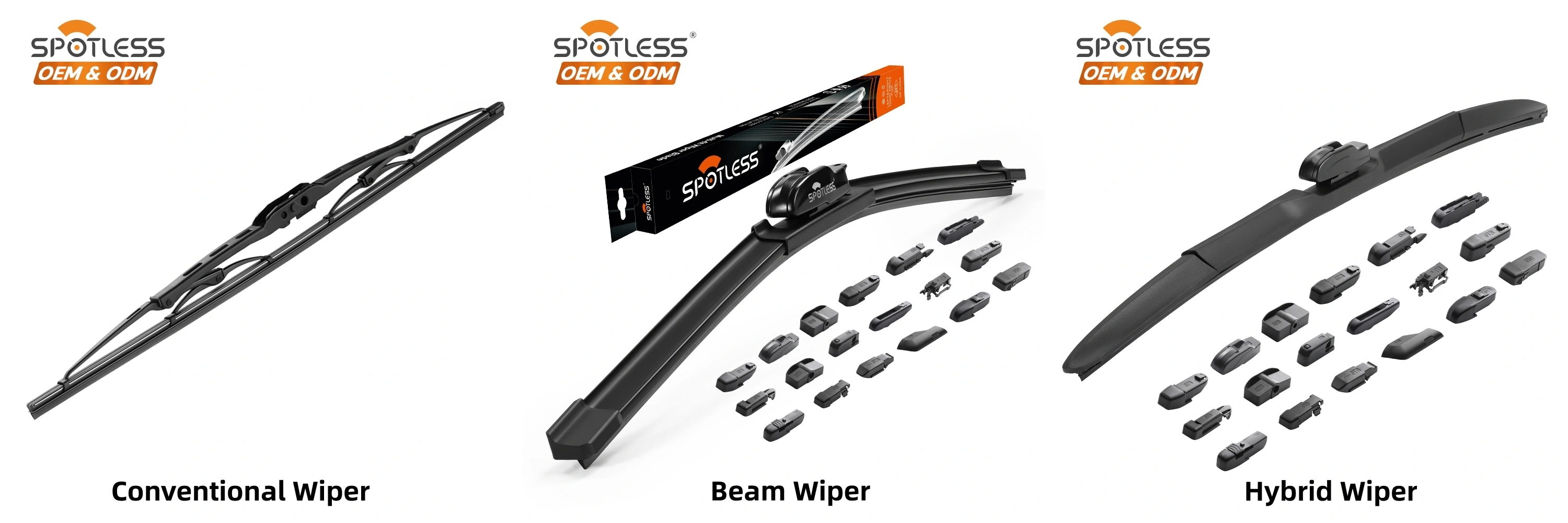
Before planning inventory, it helps to understand the three main types of wiper blades.
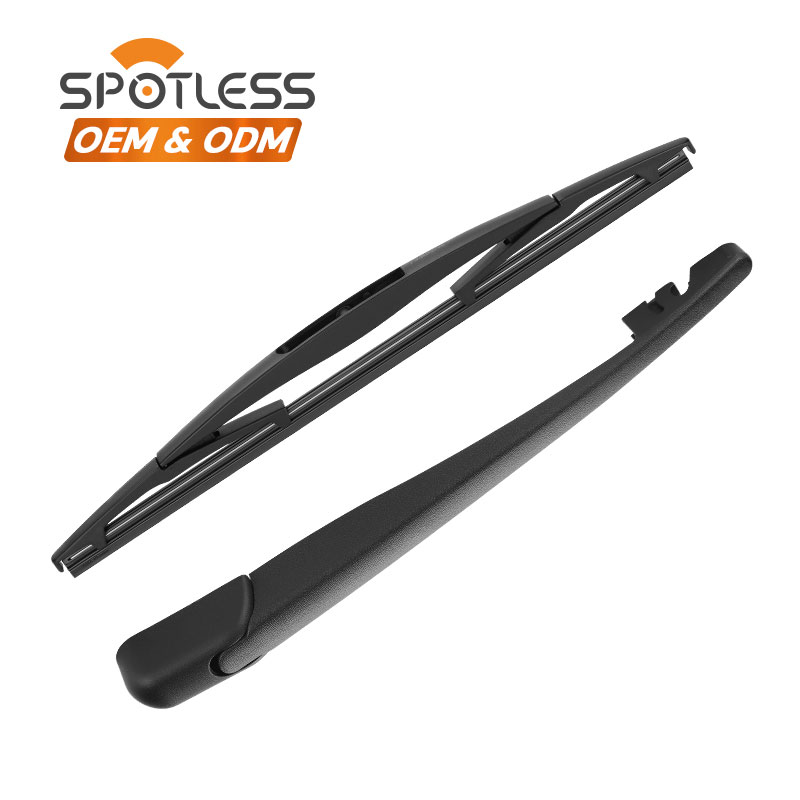
Traditional wiper blades still hold a good share of the market. They are affordable, so repair shops, fleet operators, and price-focused buyers still use them a lot. They are especially common in developing markets and on older vehicles.
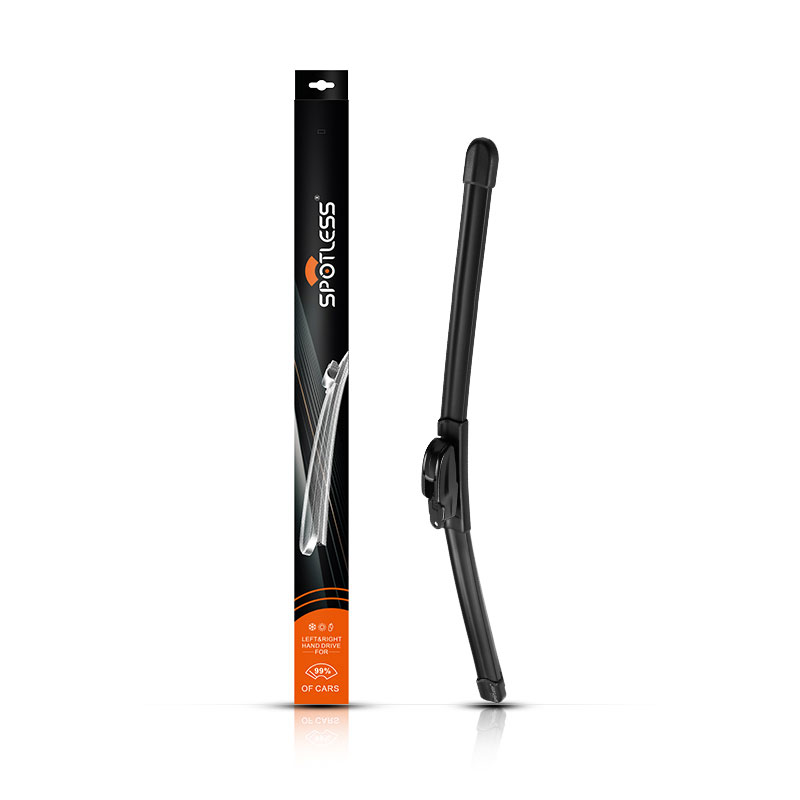
Many newer vehicles now come with beam wipers from the factory, and beam blades have become the mainstream choice in many mature aftermarket markets.Because there is no metal frame, they fit curved windshields better and usually perform better at high speed. As more new vehicles enter the market, demand for beam blades keeps growing.
Hybrid wipers combine the aerodynamic shape of beam blades with the support structure of traditional blades. They offer a good balance between performance, durability, and vehicle coverage, which is why they have become one of the fastest-growing categories.
Start with the local vehicles. If older vehicles make up a large share of the market, conventional and hybrid blades should be important products in your inventory. They fit more applications and remain competitive on price.
If newer vehicles dominate, beam blades should take a bigger share of your product mix.
Weather has a direct impact on wiper blade demand.
In cold regions with snow and ice, winter wiper blades are often a seasonal necessity.
In hot and humid areas, buyers usually care more about rubber durability, UV resistance, and ozone resistance.
Markets with high annual mileage also create stronger replacement demand, since wiper blades are typically replaced every six to twelve months.

Some buyers mainly care about price. For them, conventional blades and entry-level hybrid blades are usually the right fit.
Others care more about wiping performance, durability, and driving comfort. Premium beam blades and hybrid blades generally offer better margins in this segment.
Manufacturers recommend replacing wiper blades once a year, but many vehicle owners wait much longer. For distributors and retailers, that creates a steady replacement market year after year.
For most new markets, a simple three-tier structure works well. It helps balance sales volume, profit, and market coverage at the same time.
|
Tier |
Product Type |
Positioning |
Margin |
|
Tier 1 (Volume Driver) |
Conventional wipers |
Cost-oriented, older vehicles, price-sensitive markets, basic performance needs |
Low to mid |
|
Tier 2 (Core Profit SKUs) |
Beam wipers / Hybrid wipers |
Quality-driven customers, newer vehicles |
Mid |
|
Tier 3 (Premium/Niche) |
Winter wipers / Silicone blades |
Differentiated positioning, high loyalty |
High |
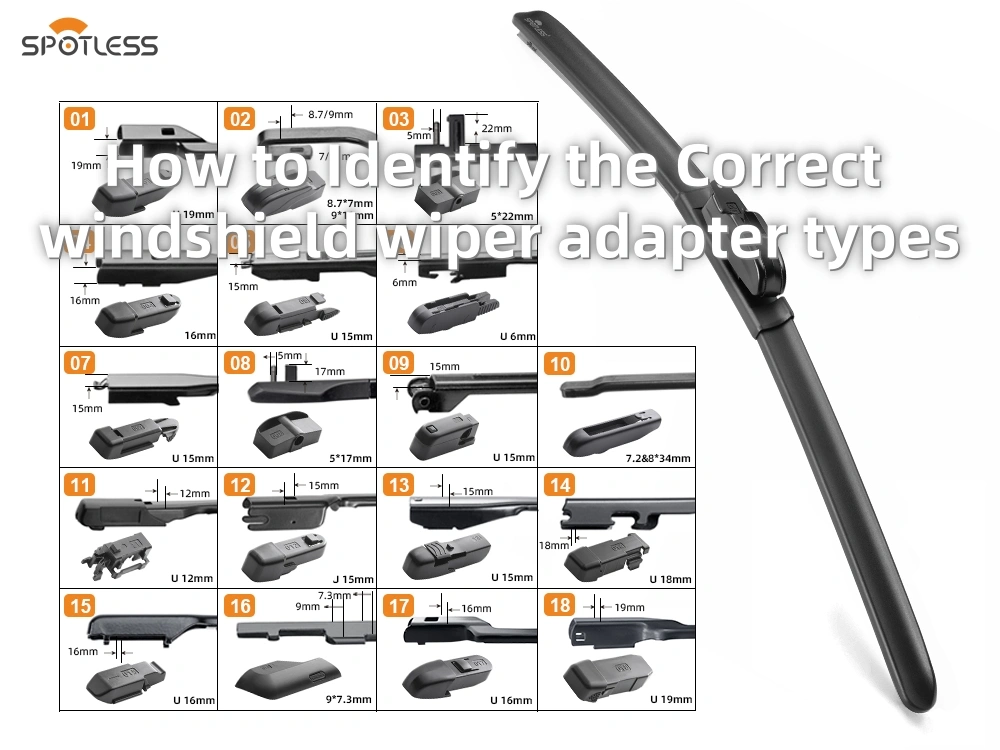
One common mistake is stocking too many vehicle-specific models. Too much inventory ties up cash and makes stock management harder. A better approach is to use multi-fit wiper blades and adapter systems that cover more vehicles with fewer SKUs.
Many hybrid blades can fit a wide range of vehicles when combined with common adapters such as U/J hook, bayonet, and pinch-tab types.
As sales data comes in, you can gradually add the sizes that move well.
If your goal is to reduce wiper blade inventory while maintaining strong market coverage, this is usually the most practical way to do it.
Entering a new market does not mean stocking every type of wiper blade. The key is understanding the local vehicle fleet, climate, and customer needs, then building an inventory around products that offer broad vehicle coverage.
At SPOTLESS wiper blade factory, we support distributors and wholesalers with flexible OEM and ODM solutions, multi-fit hybrid wiper blade programs, fitment data, adapter compatibility information, and product test reports to help plan the right product mix.
If you are preparing to enter a new wiper blade market or considering a pilot order, feel free to email wiperblade8@xmyujin.com or Contact us. We can help you evaluate local demand and build a product mix that fits your market.