According to IMR Inc., the average annual mileage ranges from just over 11,400 miles for a 1993 model-year vehicle to more than 14,500 miles for a newer 2013 model. In simple terms, people are keeping their vehicles longer and putting more miles on them. That naturally means more replacement parts are needed, including wiper blades.
At the same time, competition in the wiper blade market is getting tougher. For wholesalers and auto parts retailers, long-term profit usually doesn't come from selling the cheapest product. It comes from finding your own place in the market and building a business around it.
Before you start choosing products or looking for suppliers, spend some time figuring out who you’re actually selling to. The clearer you are about your customers, the less likely you are to end up with inventory nobody wants.
Climate: If you’re in a place where snow and ice are common, winter wiper blades may make more sense. If your market is hot and humid, customers will probably care more about ozone resistance and UV resistance.
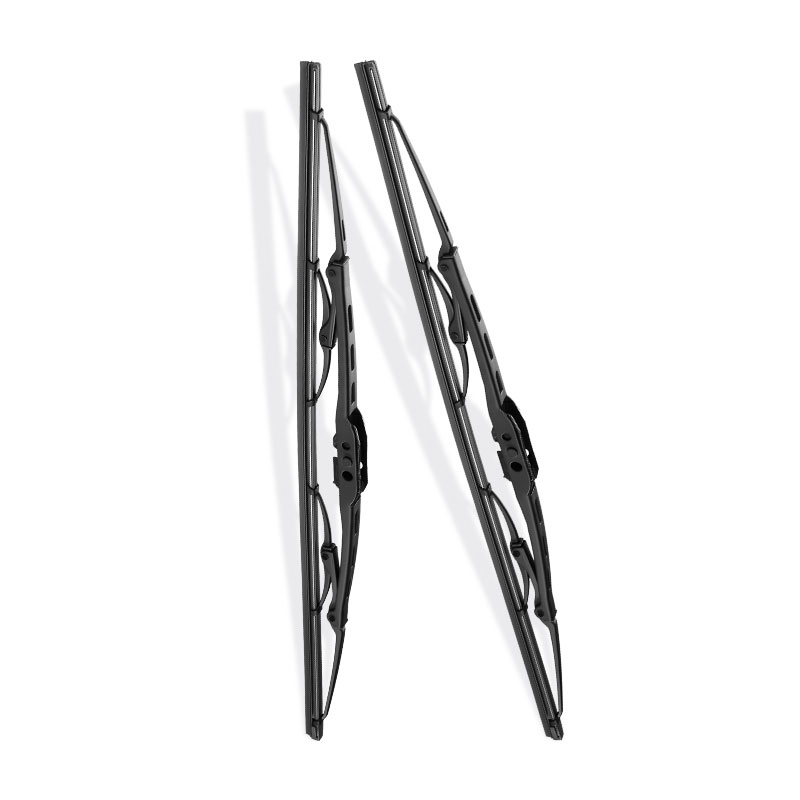
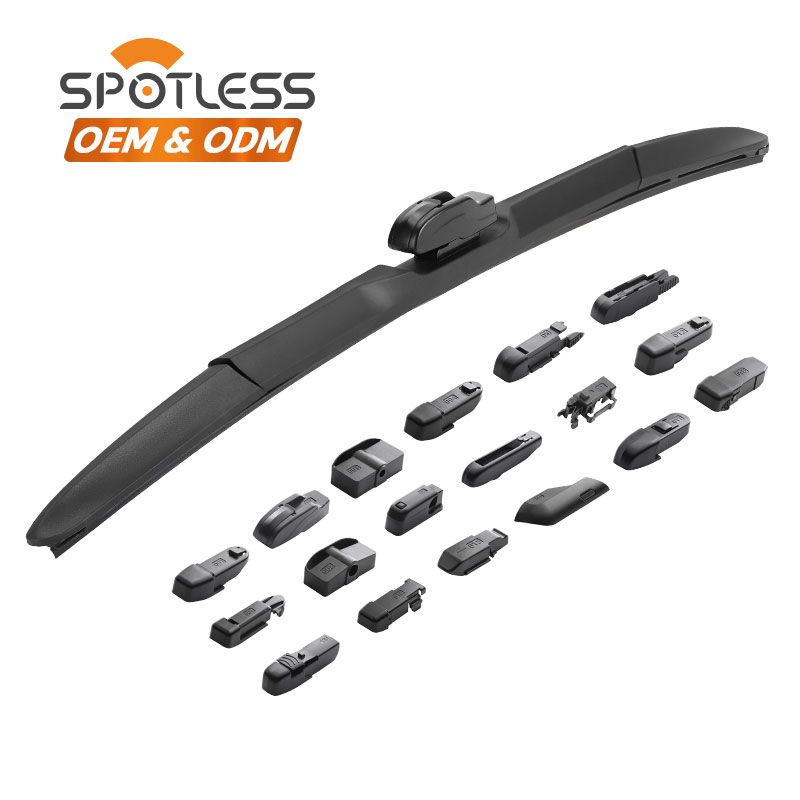
Look at the vehicles on the road: Older cars usually still use conventional wiper blades. Newer vehicles are more likely to need beam blades, hybrid blades, or specific adapter systems.
Price expectations: Some customers mainly care about getting the lowest price. Others are willing to spend more for durability, better wiping performance, and fewer problems later.
|
Model |
What it means |
Features |
|
Focus on volume and price |
Sell more and keep prices competitive |
Need efficient purchasing, stable logistics, and strong suppliers that can support you |
|
Specialization |
Focus on one segment, such as winter, luxury vehicle or special climates wipers |
The sales volume may not be as large, but margins are often better |
|
Service |
Not just competing on price, also help customers with installation, adapter matching, private-label programs, or faster delivery |
Giving something extra besides the windshield wiper(/windshield-wipers.html) itself |
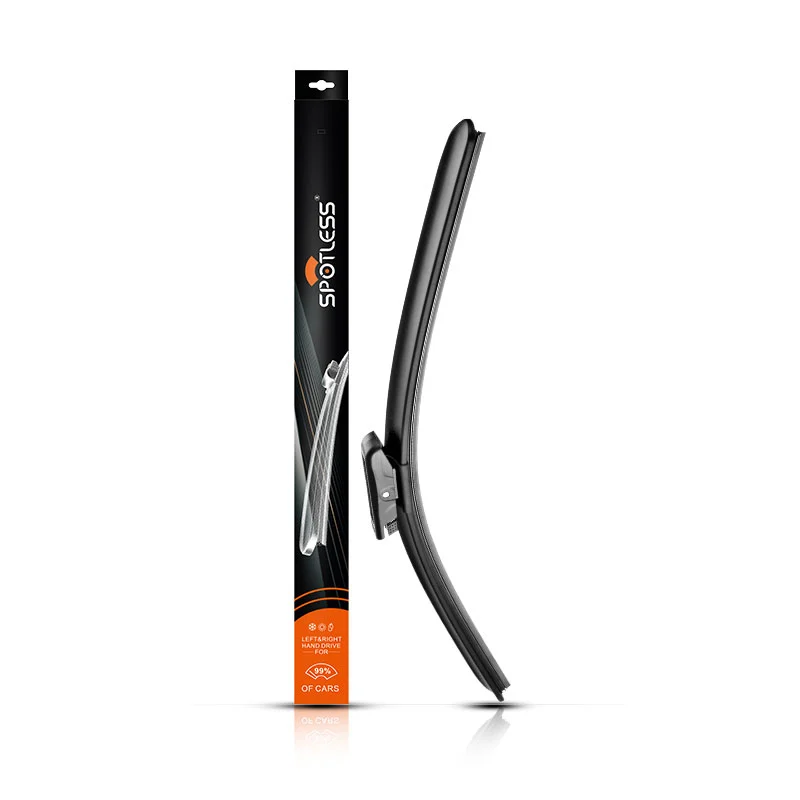
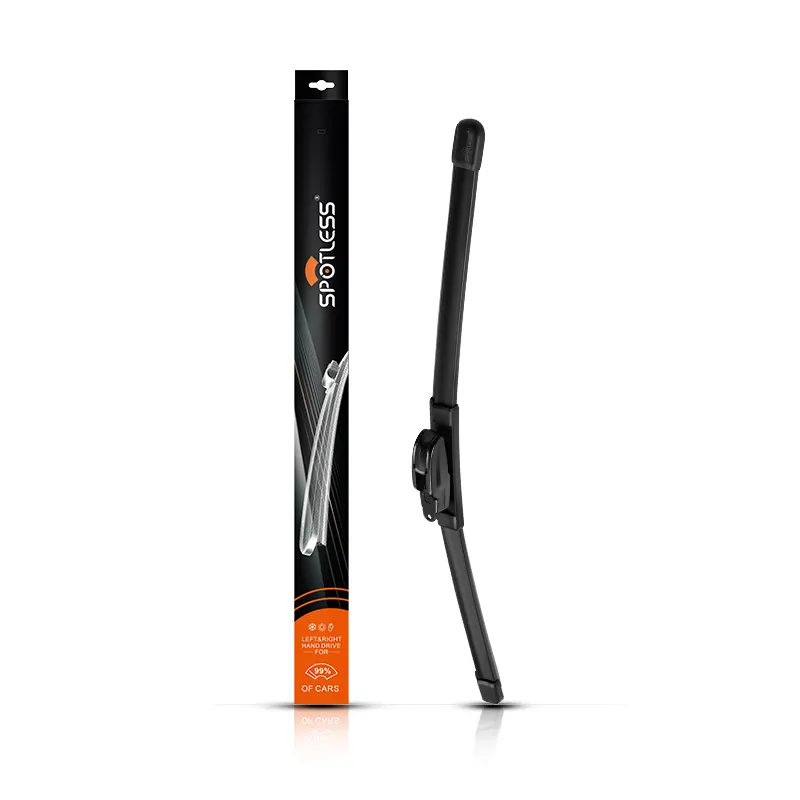
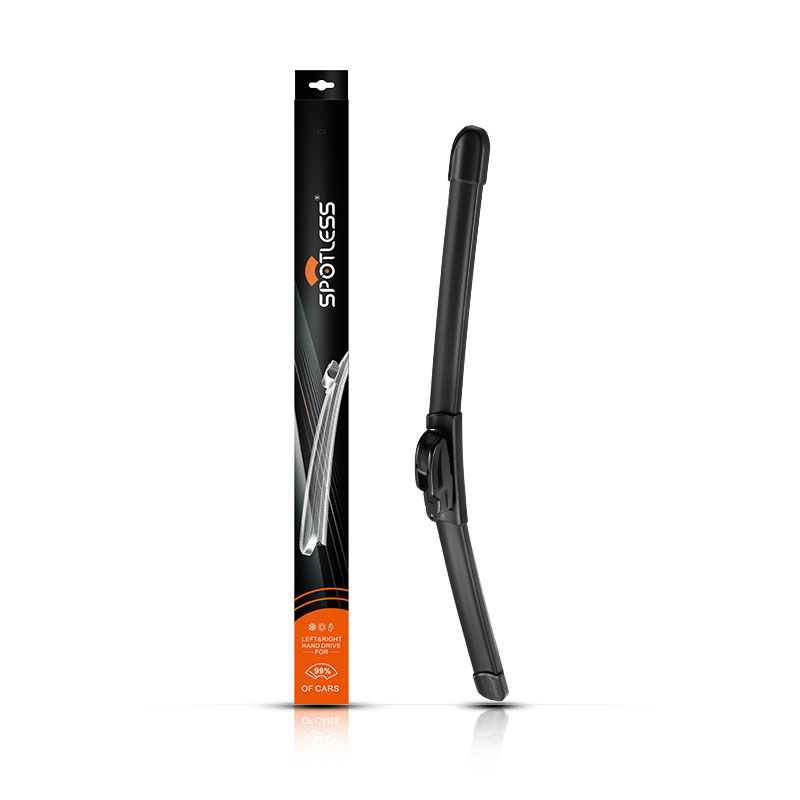
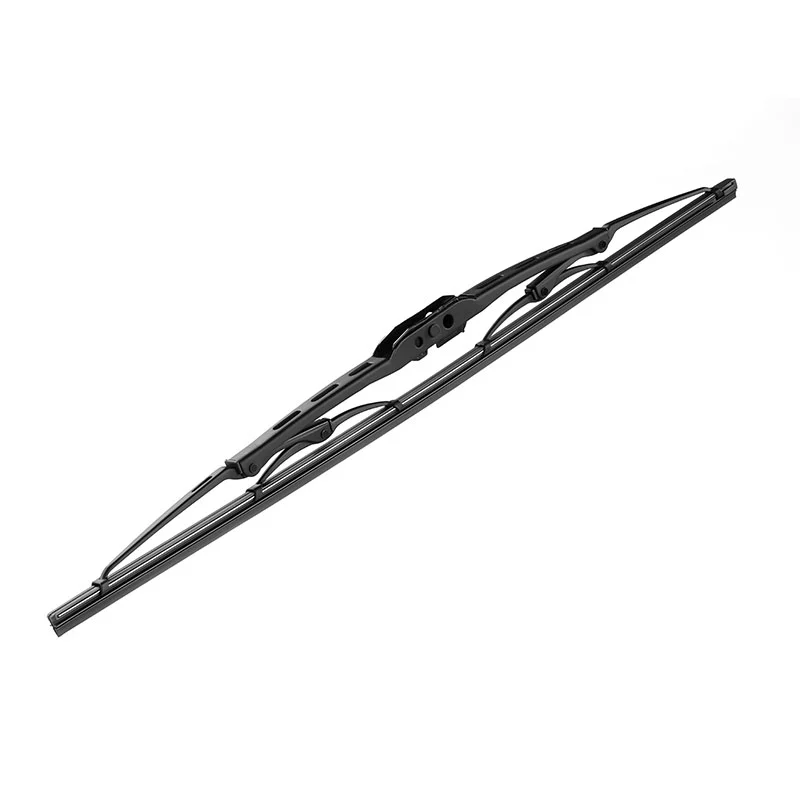
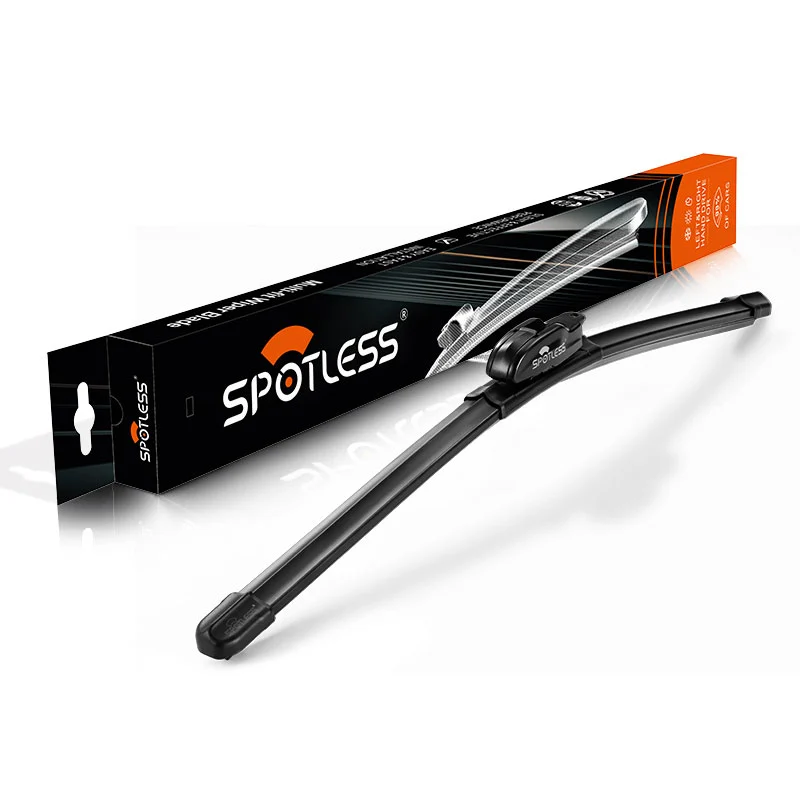
A good wiper blade factory should be able to offer a complete product range. Beam blades, hybrid blades, conventional blades, winter blades—you should be able to get them from one place. That makes purchasing and inventory management a lot easier.
Customization Flexibility: If a supplier can support private-label packaging, logo printing, and different adapter options, it becomes much easier for you to build your own brand.
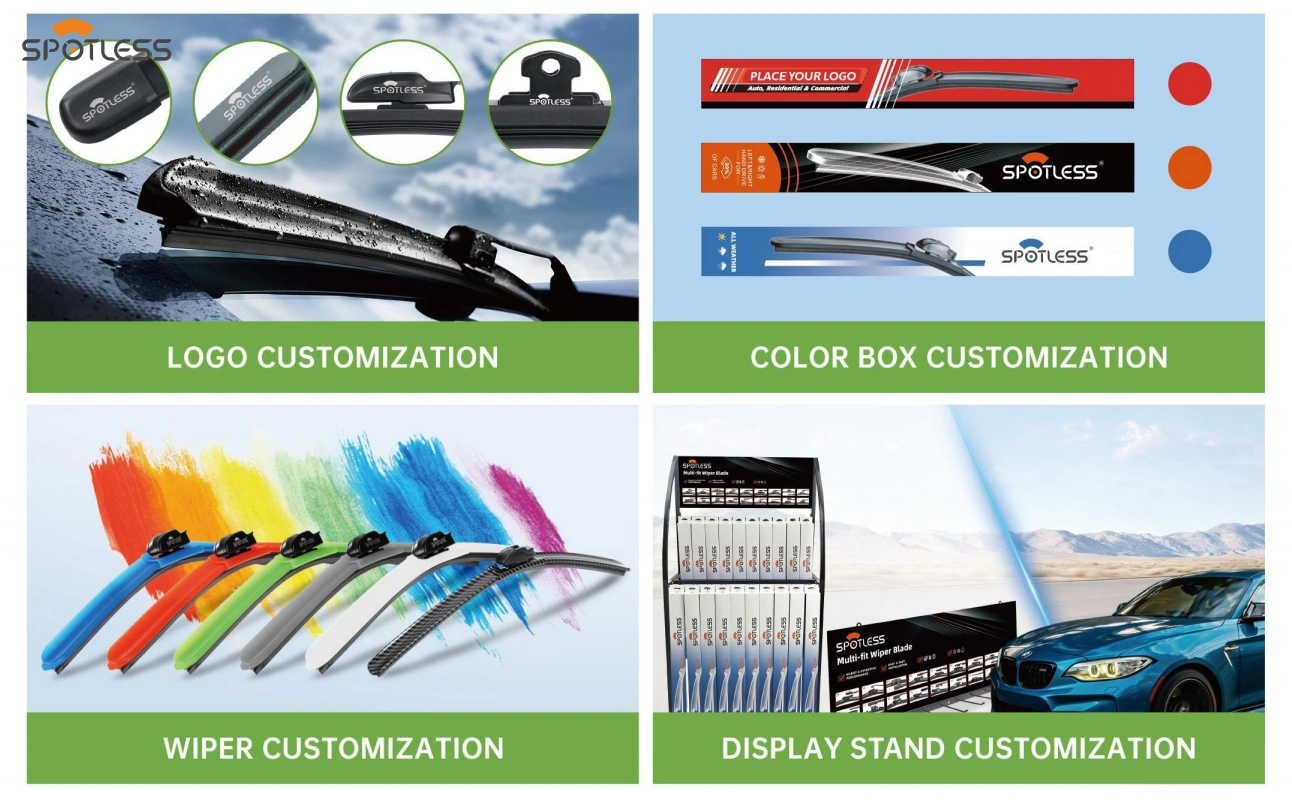
Quality should be consistent: not good one month and different the next. Ask for durability reports, ozone test results, and temperature testing data. A factory that's confident in its products usually won't hesitate to show them.
MOQ and lead time: Should also fit the way you do business. Being able to start with a small test order can reduce a lot of risk when entering a new market.
A lot of businesses look similar on paper. Service is often what makes customers come back.
Something as simple as an adapter guide can help customers quickly figure out which adapter they need, whether it's a U/J-hook, bayonet, or pinch-tab arm.
Installation videos help too. Many distributors now share tutorial videos on their websites or social media. Customers ask fewer questions, and installation problems become easier to solve.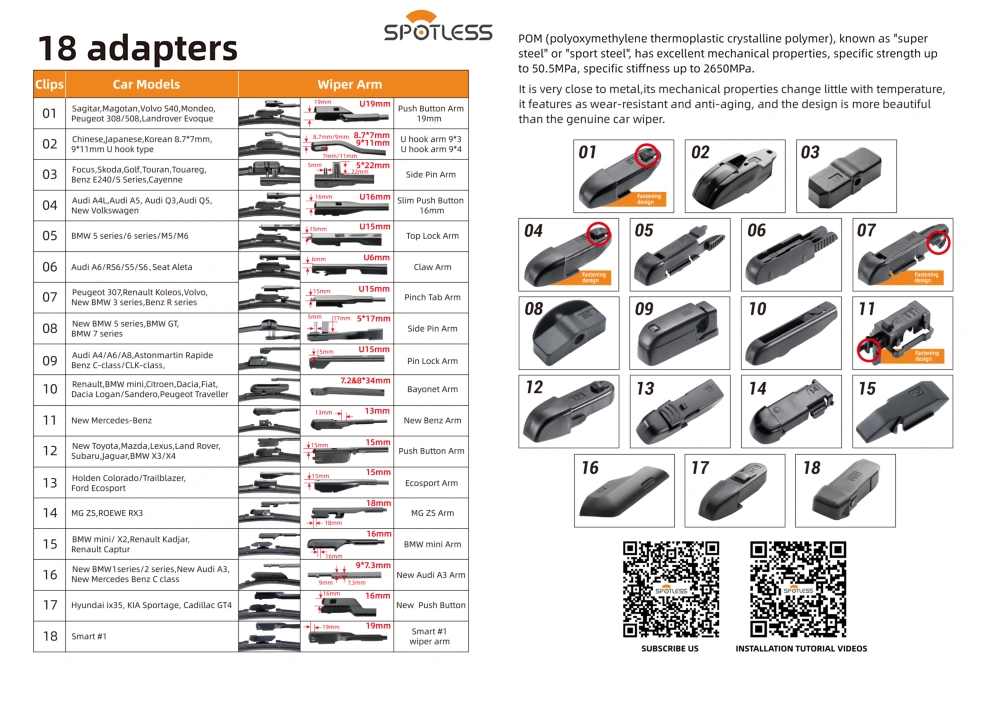
Offering rubber refills can also be useful. For buyers who are watching their budget, replacing only the rubber strip is often a lower-cost option.
Giving climate-based recommendations is another easy win. When you help customers choose the right blade for their conditions, they tend to trust you more.
The thing is, even small improvements in service can make a difference. When prices are similar, people often buy from the supplier that makes things easier.
Whether you’re entering a new market or working with a new supplier, there’s usually no need to start with a huge order. Try a test order first. See how the quality is, how the supplier performs, and how the products sell in your market.
Once the goods arrive, pay attention to sales, returns, and customer feedback. If certain sizes sell quickly, stock more of them. If some products barely move, reduce inventory and put your money elsewhere.
Finding your place in the wiper blade market comes down to three things: understanding your customers, knowing where you want to compete, and working with the right supplier.
At SPOTLESS, we help distributors and auto parts retailers do exactly that. We offer flexible product lines, private-label support, technical documents, fitment guides, and product testing reports to help customers build their own market position.
If you’re looking at your current sourcing plan, or thinking about bringing in a test order for your market, feel free to email wiperblade8@xmyujin.com or Contact us. We’d be happy to share product catalogs, testing data, and some practical suggestions based on your business needs.