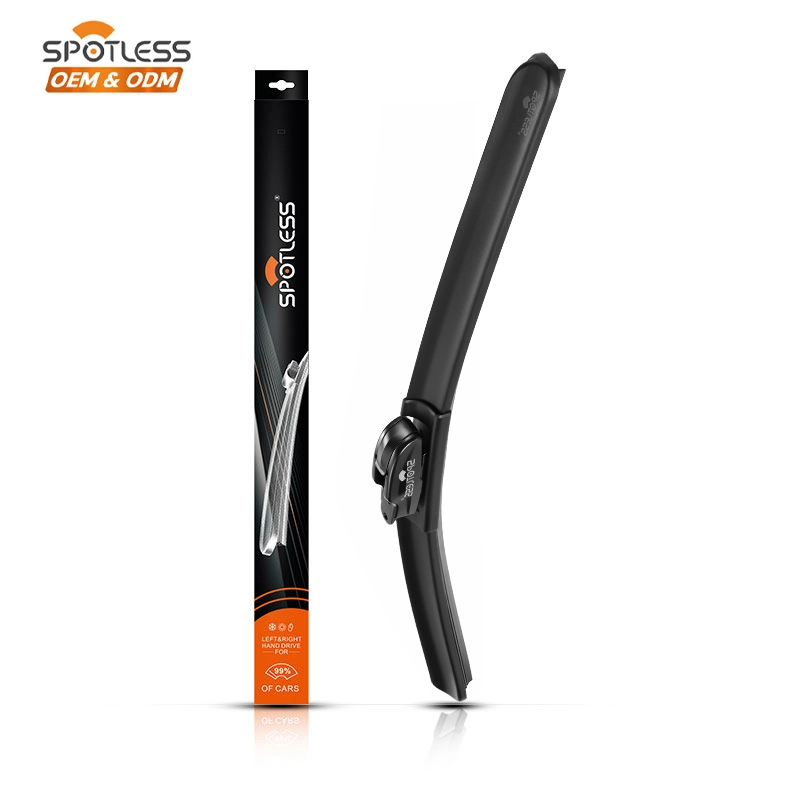
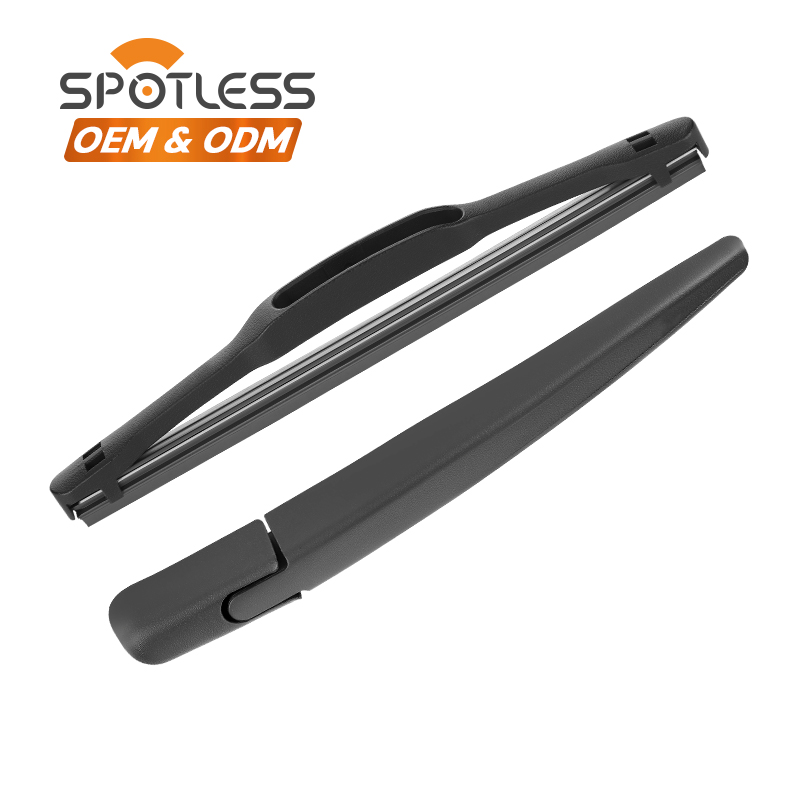
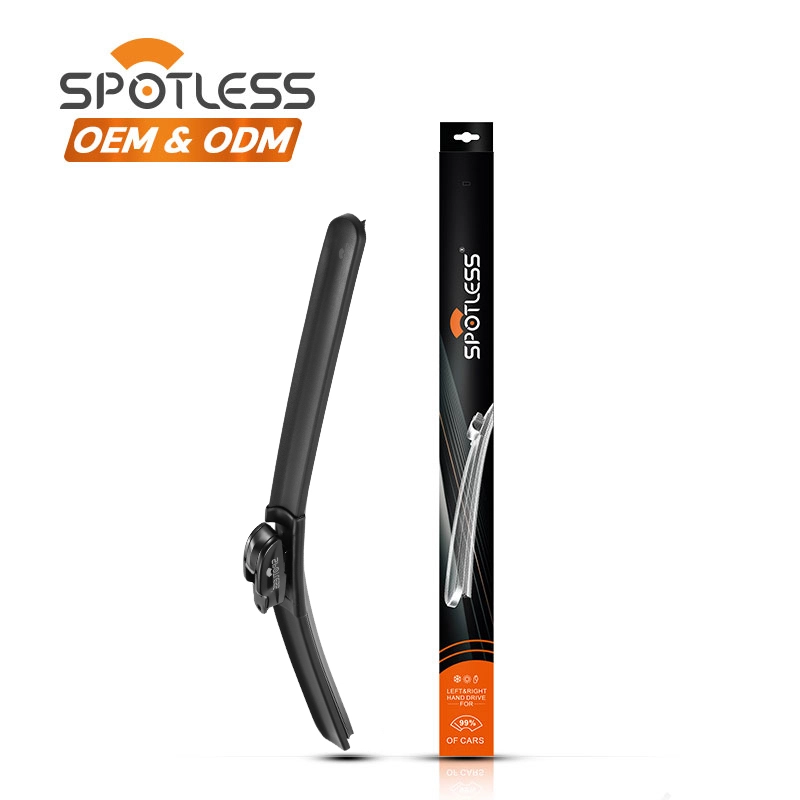
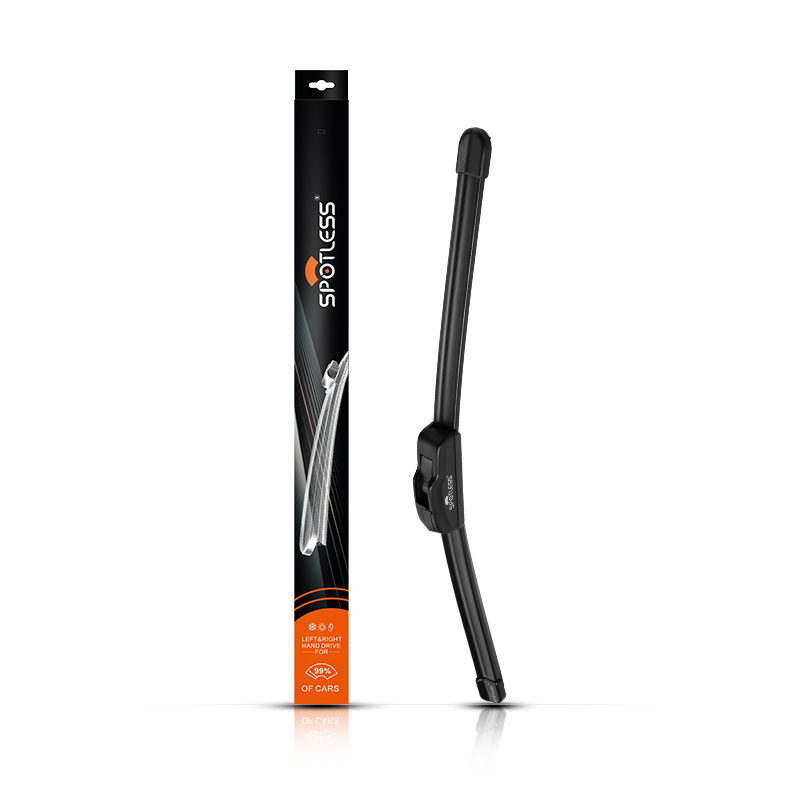
Installing auto wiper blades in extremely cold weather may be more difficult than in mild weather. Cracked plastic brackets, stiff rubber, and frozen wiper arms can all lead to damage or installation problems.
This guide introduces the performance of different types of wiper blades in low-temperature environments, common installation errors, and practical installation suggestions for auto parts stores, wholesalers, and car owners in cold climate regions.
Different types of car wiper blades react differently to low temperatures.
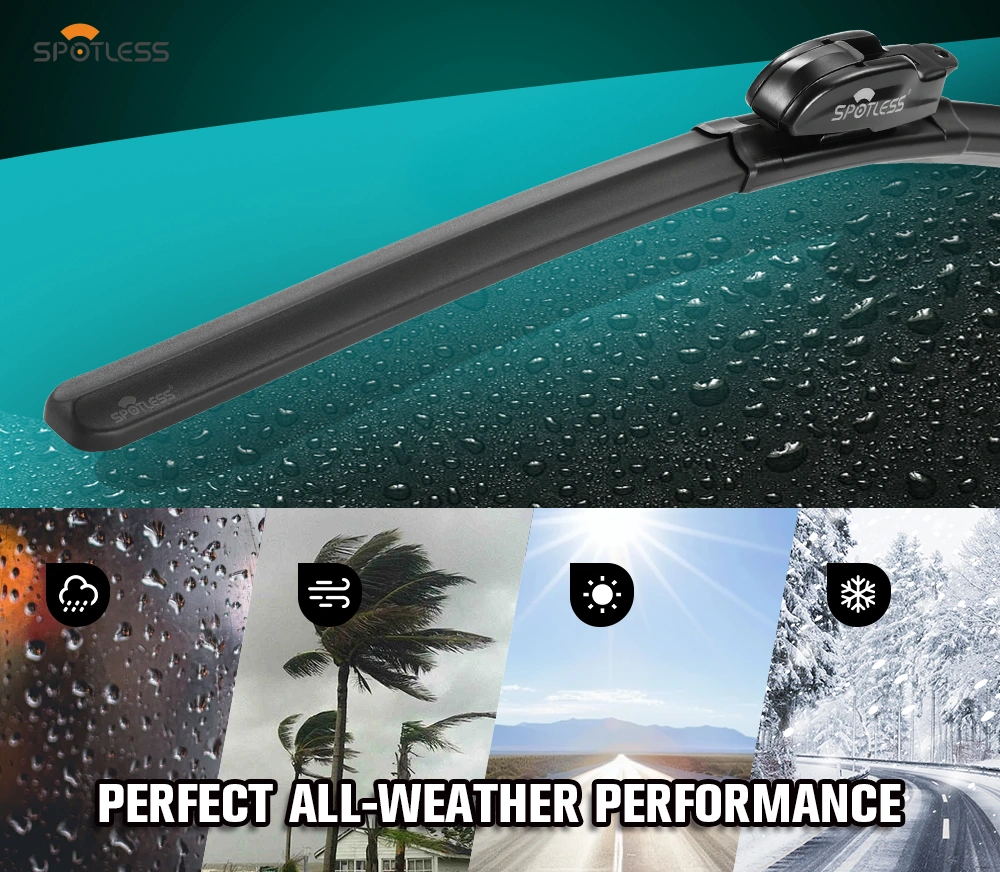
Low temperatures can make plastic adapters more brittle. If the adapter is misaligned and forced into position, the locking tab may break. This is a common reason for “doesn’t fit” complaints during winter wiper blade installation.
If the wiper arm is frozen to the windshield or the pivot is iced over, free the mechanism before installation. Forcing a frozen wiper arm can damage the spring or bend the linkage.
A winter wiper blade stored in a cold environment may not flex enough to seat correctly on the arm. Allowing the blade to warm slightly before installation can make the process easier.
If your hands are cold or the installation is rushed, you might force the wrong adapter onto your arm. Always confirm the adapter type and orientation before applying pressure.
Warm the vehicle first. Run the defroster for a few minutes before installation. A warmer windshield and wiper arm can make the rubber and plastic components of auto wiper blades more pliable.
Never force the adapter. If it does not lock into place easily, stop and check the adapter type and orientation. This applies to all auto wiper blades, regardless of design.
Keep spare adapters available. For auto parts stores and service shops, spare adapter kits can help avoid a failed installation when a locking tab breaks.
Test the connection first. Make sure the adapter is securely locked onto the wiper arm before lowering the blade onto the windshield.
Store the wiper blades at room temperature as much as possible. Storing auto wiper blades in a warmer warehouse rather than a cold one helps maintain the flexibility of rubber and plastic components.
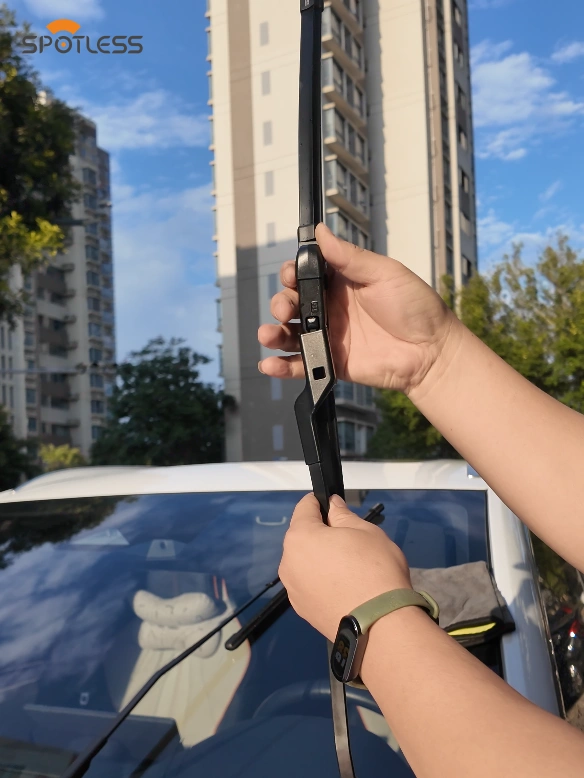
For enterprises that stock car wiper blades for the winter market, product selection and installation guidance should be carried out simultaneously.
Recommend suitable wiper types: Compared to the exposed traditional frame, frameless wipers can reduce some ice-related problems.
Keep spare adapters: This helps reduce returns due to improper installation in winter.
Train employees: Simple operations, such as preheating the vehicle and wipers, can help avoid damage during installation.
Plan seasonal inventory: Replacing wiper blades in autumn allows customers to complete the installation before the first frost arrives.
For retailers and wholesalers, these details can also help answer questions such as why wiper blades do not fit in winter and how to avoid unnecessary returns.
Cold-weather wiper blade installation does not have to result in broken adapters or fitment problems. Match the blade type to the climate, warm the components when needed, and never force an incorrect fit.
SPOTLESS manufactures major types of auto wiper blades and provides installation guidance for cold-climate markets.Email wiperblade8@xmyujin.com for product specifications, adapter compatibility, or cold-weather installation support.