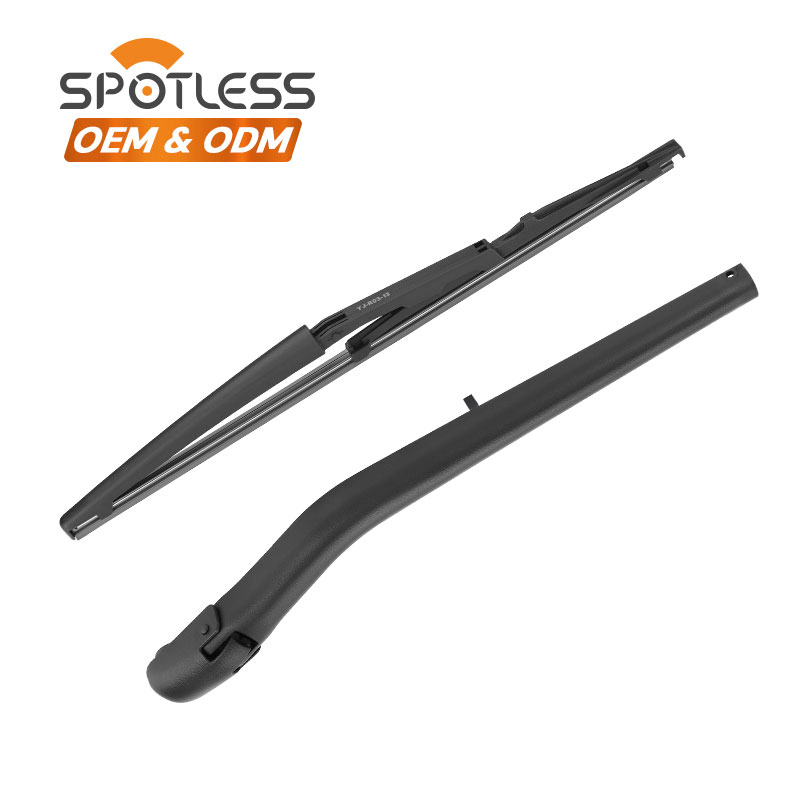
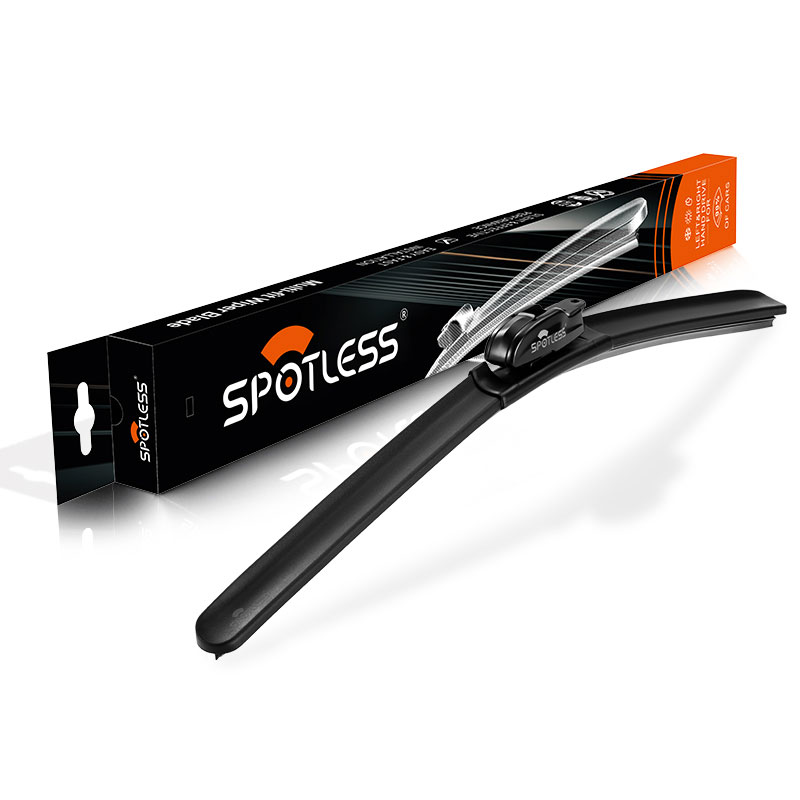
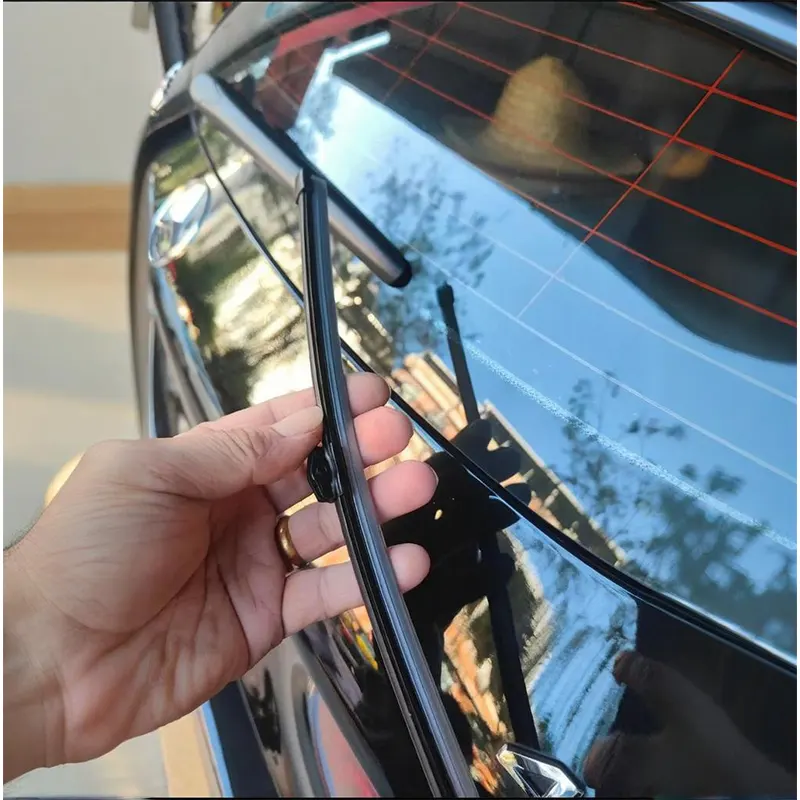
A wiper blades factory can do much more than print a logo on standard wiper blades. For OEM and ODM projects, rubber materials, adapter options, blade design, and packaging may all need to match your market.
For distributors and private label brands, it is important to understand the real custom ability of the factory. This helps control costs and catch problems before mass production starts.
In OEM and ODM projects, you give the product specs, and the wiper blades factory makes the wipers to your requirements. The wipers should be checked by the quality and testing rules you agreed on.
Before you talk to an OEM wiper blade manufacturer, get a spec sheet ready. Put these in it:
The factory needs to confirm if they can mix the rubber formula in their own shop, and if you can use their existing adapter molds. Using molds and designs they already have will save you development money. It also helps a new wiper blade line enter the market more smoothly.
A wiper blades factory with an in-house rubber formula can adjust hardness, low-temperature flexibility, and ozone resistance for different climates. If the formula is outsourced, custom options may be limited. Before confirming the specs, always check the wiper blades factory’s real production capability.
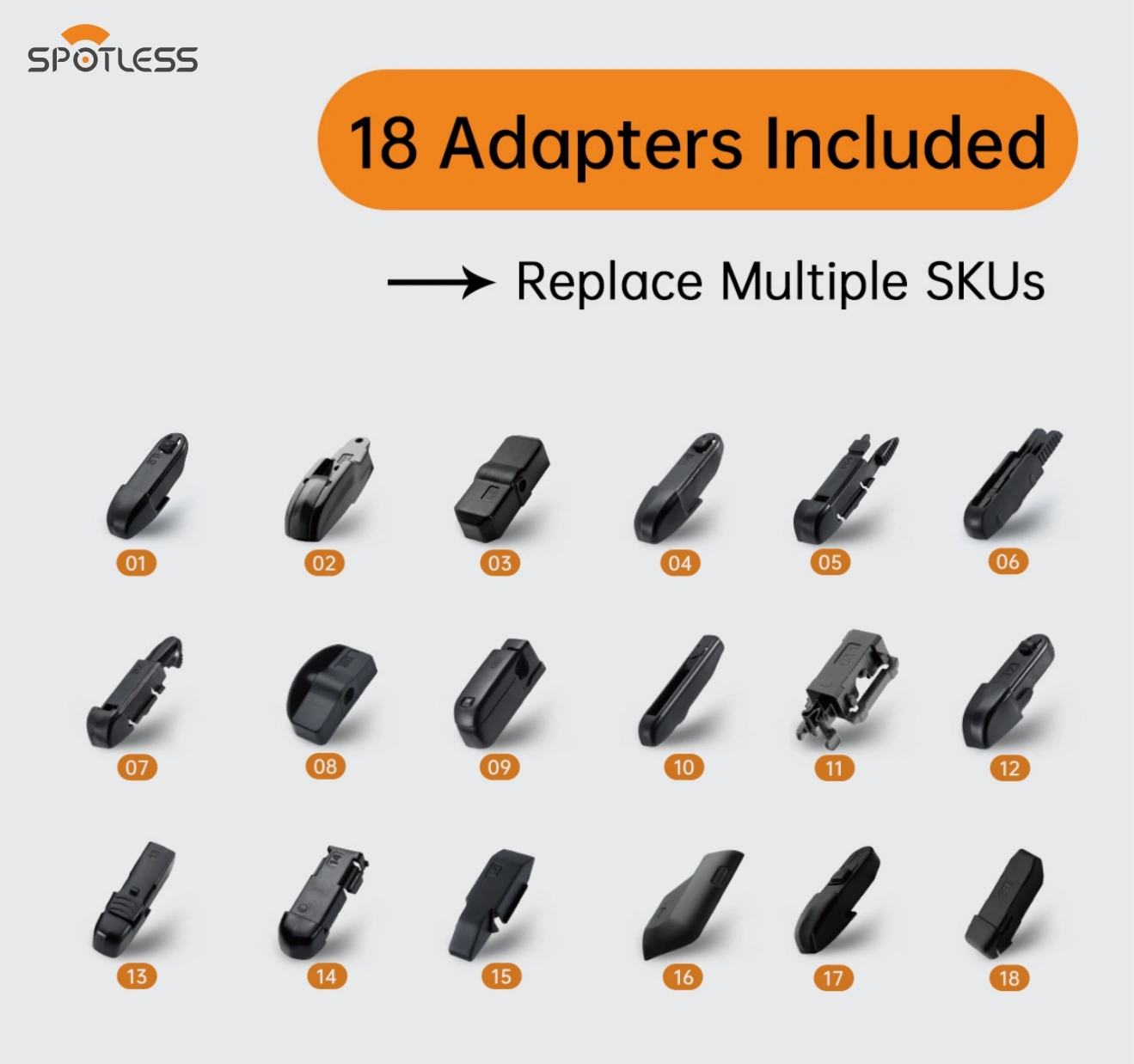
Customization usually means choosing the right existing adapter type, such as hook, pin, side-lock, or push-button. It does not always mean developing a brand-new adapter. More windshield wiper adapter types help distributors cover more vehicle models without investing in new mold equipment.
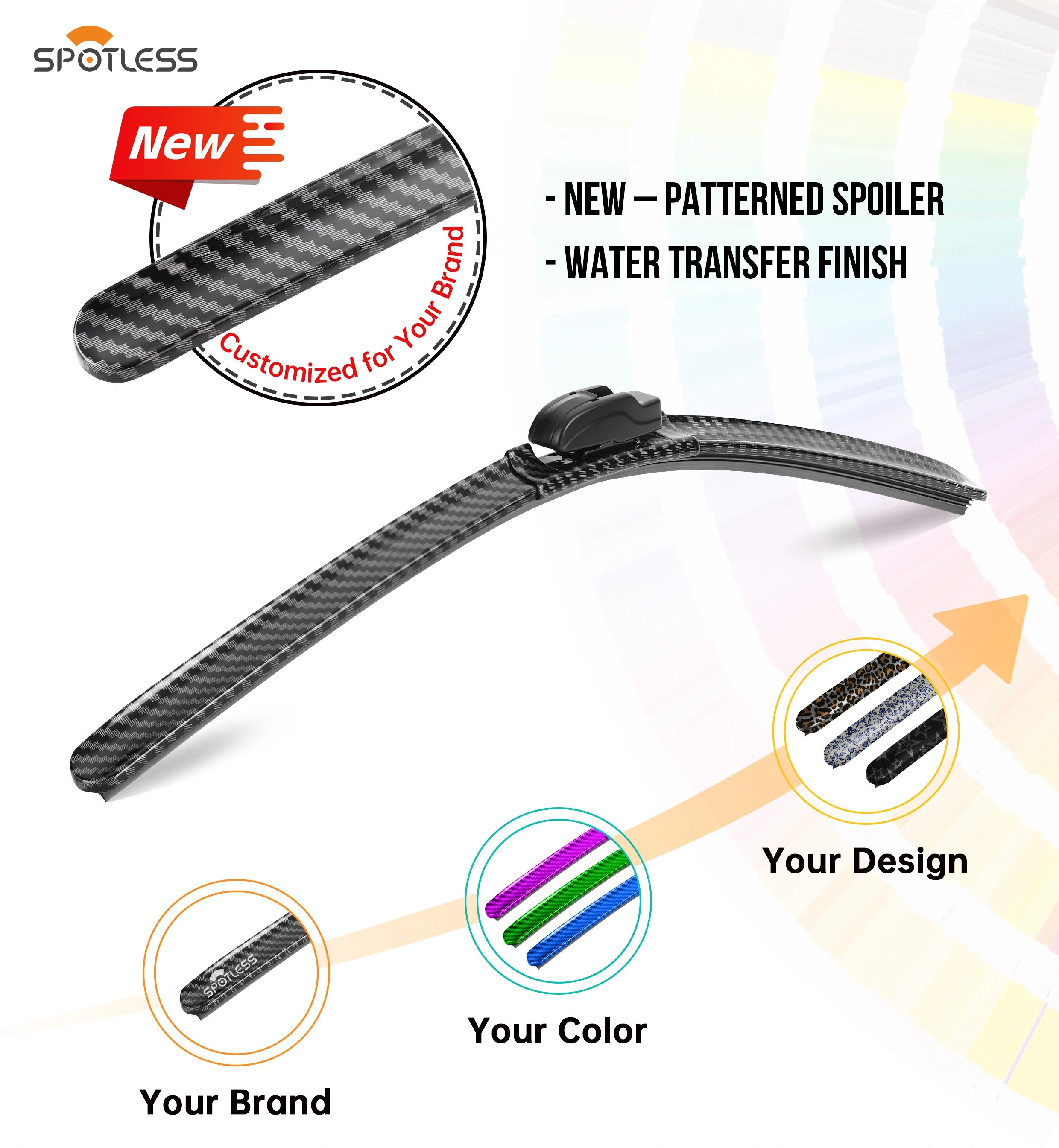
A wiper blades factory can do retail boxes, blister packs, header cards, your own brand printing, plus whatever barcodes or labels your market needs.
Before you order, ask for the MOQ on each packaging style. Custom packaging MOQ might not be the same as regular wiper MOQ. Offering a few different package designs can help drive up your total order volume.
Ask for real samples from past custom jobs. Before you say yes to your own run, check the print quality, box strength, product labels, and how it looks on the shelf.
A well-managed OEM or ODM project should go through three steps: sample approval, trial run, and mass production.
Ask the beam wiper blades factory for the lead time on each step. Ask to see physical samples from past custom orders. Check whether the packaging, adapter fitting, and product logo were really customized.
Do not rush into a large order before the sample is approved. Also confirm whether the quoted MOQ applies only to standard products, or also to custom wipers. A low MOQ does not prove in-house production ability. You still need to check the factory’s real role in production.
|
Rubber and Molds |
Is rubber mixing done inside the factory? |
|
Are the adapter molds owned by the factory? Can existing molds be reused? |
|
|
Custom Options |
Which blade lengths can be made without new molds? |
|
Can the factory provide different adapters for your target market? |
|
|
Packaging |
What is the MOQ for each packaging version? Is that separate from the MOQ for the wiper blades? |
|
Can the factory show physical samples from past private label wiper blade packaging jobs? |
|
|
Project Management |
What are your real, recorded lead times for samples, trial runs, and mass production? |
|
Can the factory share a real production schedule from a recent custom project? |
A professional wiper blades factory can support OEM and ODM projects with its existing strength in rubber materials, adapter options, blade design, and packaging.
SPOTLESS is a direct OEM wiper blade manufacturer and ODM wiper blade supplier. We do our own in-house manufacturing and offer OEM/ODM support for beam wipers, hybrid wipers, traditional wipers, silicone wipers, rear wipers, snow wipers, and other blade types. We also have our own R&D crew to build wipers and adapters around your needs.
If you want to talk through wiper blade custom manufacturing, ask about MOQ, or get some free samples, just email wiperblade8@xmyujin.com.
-