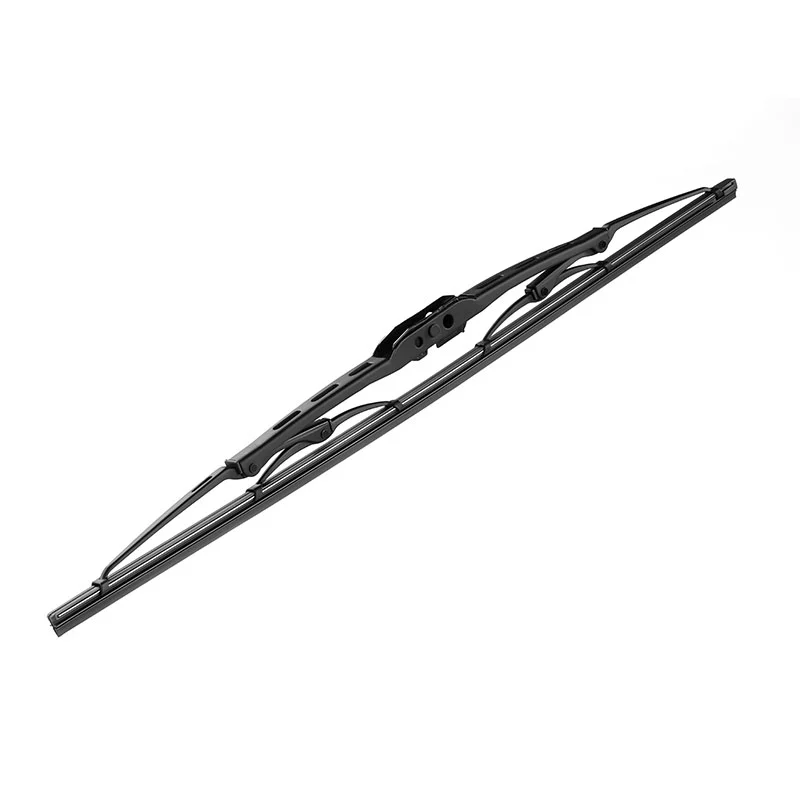
Wiper blades started with simple metal frames and rubber strips. Today, the technology has moved to putting spray nozzles directly into the blade. The water spray wiper blade is another major step in this development.
Instead of spraying washer fluid from a nozzle on the windshield, it sends the fluid directly from the blade to where it is needed. This helps reduce the splashing and overspray of traditional windshield nozzles.
This wiper blade technology evolution can be roughly divided into four stages:
Conventional metal frame → Beam wiper blade → Hybrid design → Integrated spray system
Early wiper blades used metal frames with several pressure points. This basic design was used for decades and still works well in many markets. But the frame and linkage also have some limitations:
These limits pushed wiper blade technology to keep moving forward.
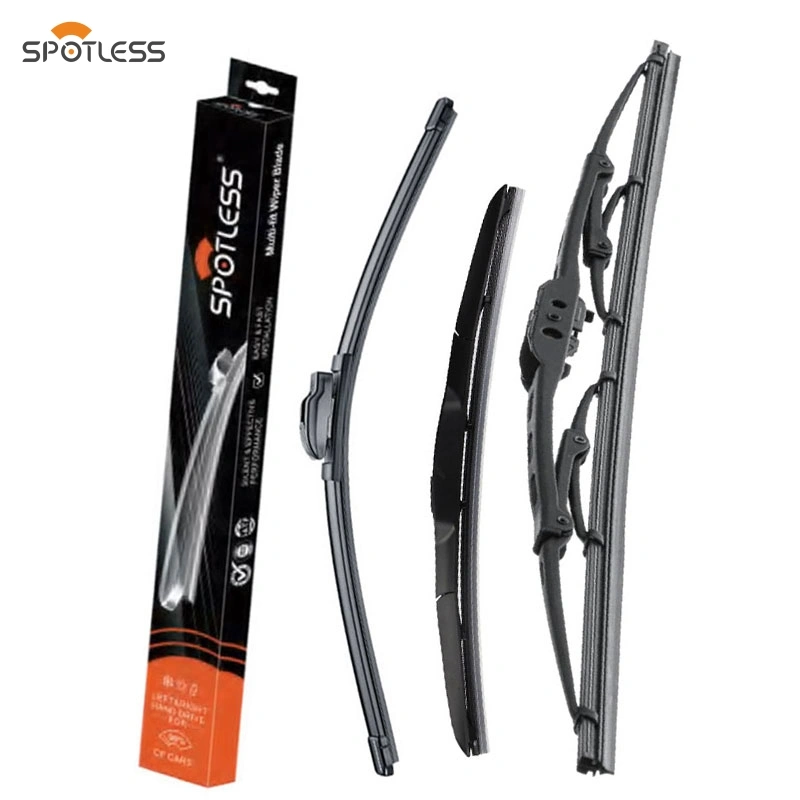
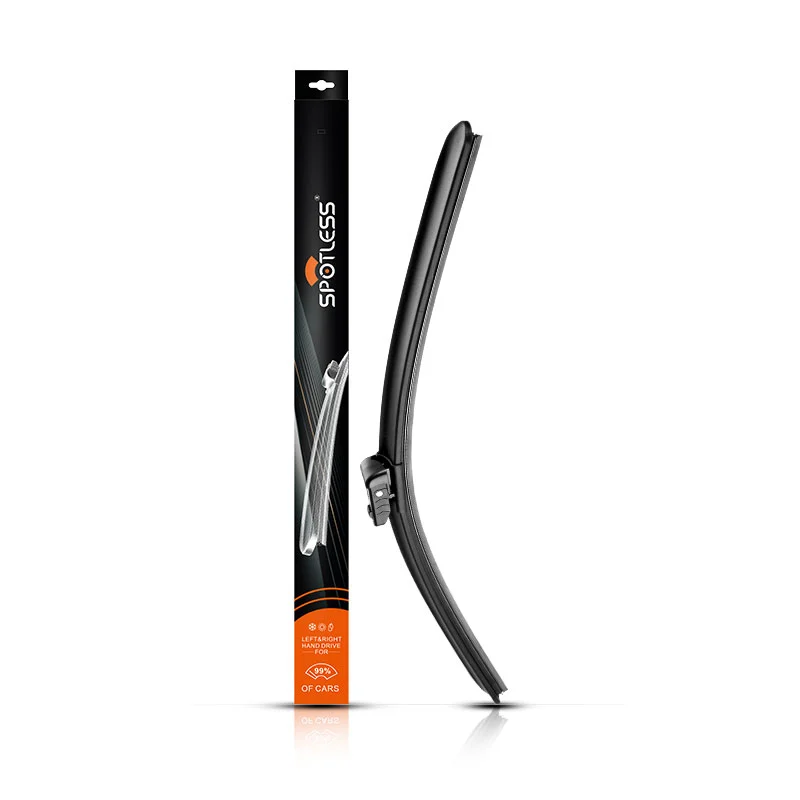
Beam wipers, also called flat wipers, replaced the traditional metal frame. They use a spring strip inside the blade to apply more even pressure across the windshield.
Bosch began developing beam wiper technology in the 1960s. By the early 2000s, beam wipers had appeared on luxury vehicles and later became more common on mainstream vehicles.
The main benefits are more even wiping pressure, better high-speed performance, and less snow and ice buildup around the joints. Since then, the beam design has become an important part of the modern wiper blade market.
Hybrid wiper blades combine the benefits of a beam structure with a traditional-style outer cover.
The outer cover protects the internal parts from ice and dirt while keeping a more aerodynamic shape.
For the aftermarket, hybrid wipers offer a practical middle ground between conventional and beam designs. They provide better weather protection without the higher cost of a more advanced integrated system.
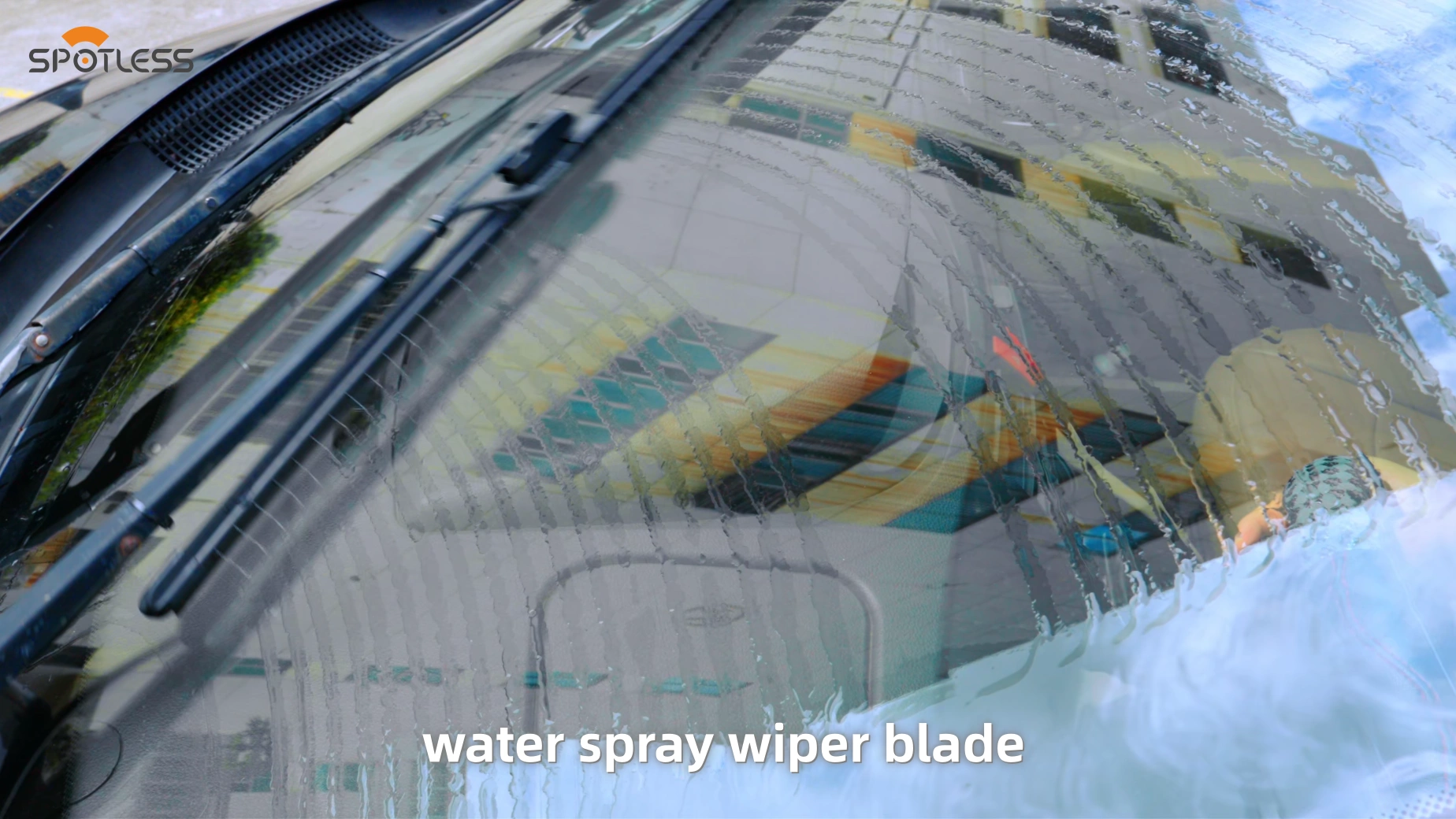
The water spray wiper blade takes wiper technology one step further by putting small spray nozzles directly into the blade.
Instead of spraying washer fluid from the hood, this system sends the fluid directly to the cleaning area.
|
Brand |
Water Spray Wiper Blade |
Features |
|
SPOTLESS |
SPOTLESS PT15 |
OE-grade silent wiper blade Micro-holes along the blade directly lubricate and pre-soak tough contaminant like bugs, sap, and road film |
|
Bosch |
Aerotwin J.E.T Blade |
This wiper distributes washer fluid directly in front of the wiper blade This helps improve cleaning efficiency and reduces annoying spray and splashing |
|
DENSO |
ClearJet Wiper Blade |
This wiper also uses integrated micro-nozzles to spread washer fluid evenly across the blade The system can reduce water use by up to 50% and help remove blind spots |
For auto parts stores and wholesalers, the move from traditional wiper frames to integrated spray wipers brings several opportunities.
Premium positioning: Water spray wipers usually cost more than conventional or beam wipers. This creates room for a premium product range.
Growing aftermarket potential: As more vehicles use integrated spray wiper technology, the replacement market can continue to grow. Bosch says its aftermarket product range will expand as more new vehicles use this technology.
Better product recommendations: Understanding the differences between conventional, beam, hybrid, and spray systems can help distributors recommend the right product and reduce returns caused by fitment problems.
One key point: Water spray wipers need a compatible vehicle washer system. They cannot simply replace standard wiper blades on vehicles that were not designed for this function unless the system is professionally modified.
For auto parts stores and wholesalers, understanding this trend can help with wiper product selection, customer recommendations, and premium product planning.
SPOTLESS supplies water spray wiper blades, as well as beam, hybrid, conventional, and silicone wipers. We also provide technical support for distributors.
For information on wiper blade types, installation guides, or sample orders, feel free to email wiperblade8@xmyujin.com.
-