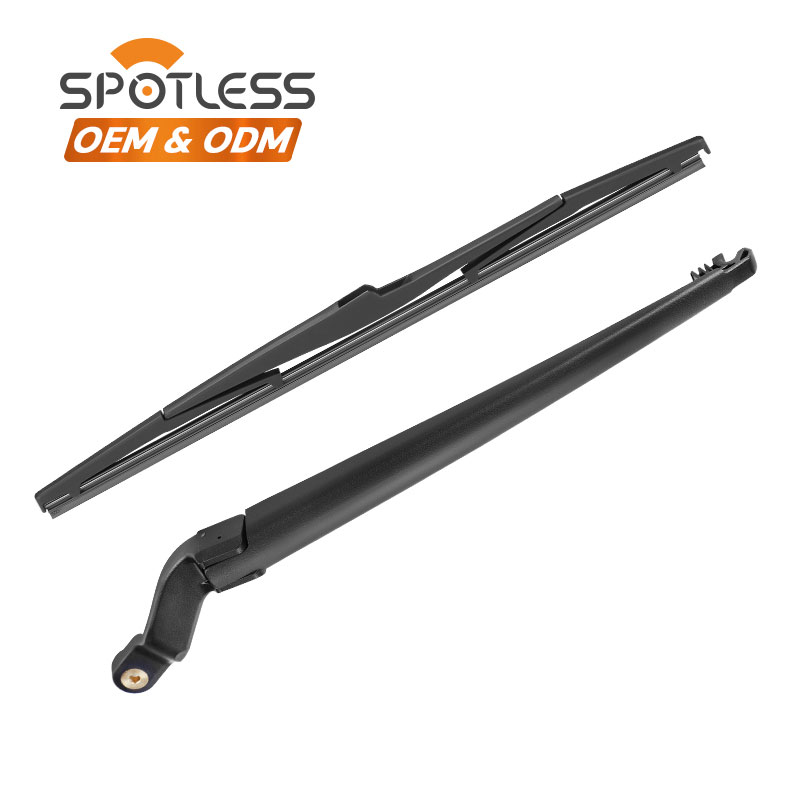
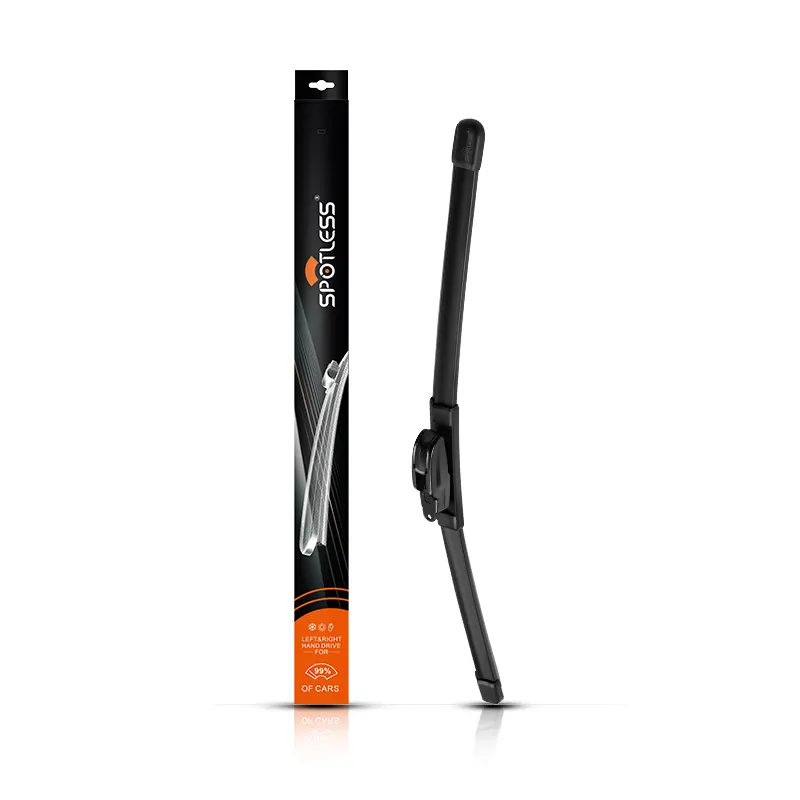
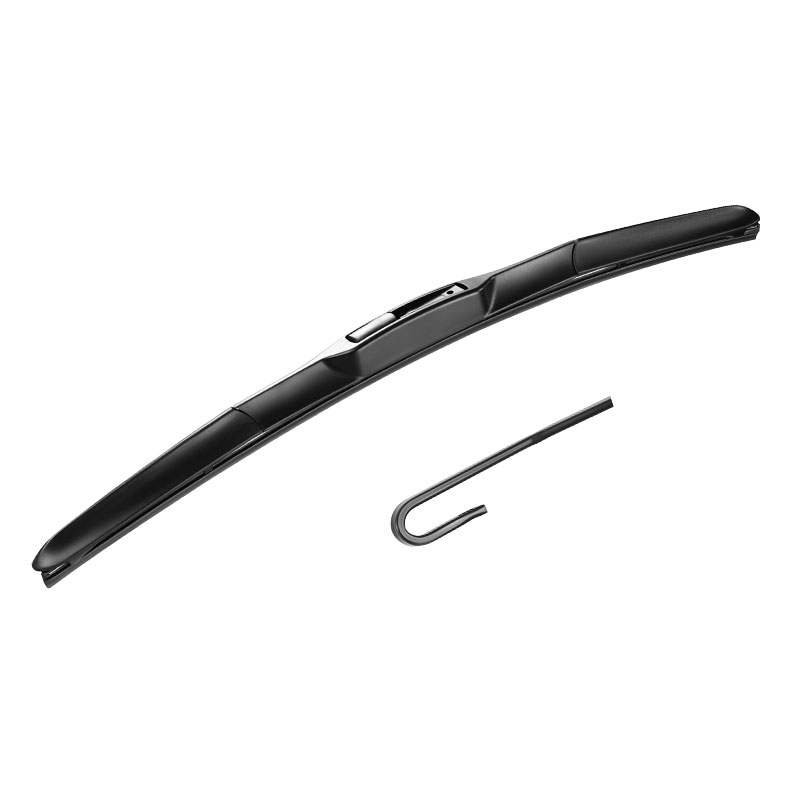
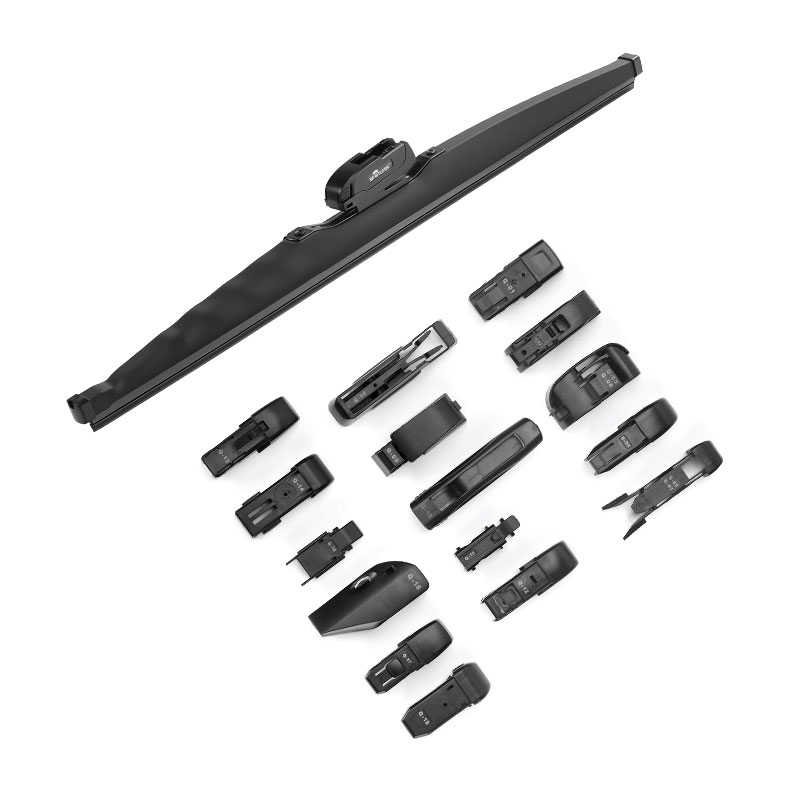
Streaking, chattering, and squeaking are three common wiper problems. In many cases, you don’t need to replace the windscreen wipers. A simple windshield wiper repair may do the job.
“Bad wiper blades” are not always the real cause. Oil film on the windshield, a misaligned wiper arm, or worn rubber can all lead to poor wiping. This article looks at the common causes and some simple windshield wiper repair steps.
Why do my wipers streak even after replacing blades? Check the windshield first. If the glass is dirty, even new beam wiper blades may not wipe clean.
Clean the windshield. Use an oil-film remover or a non-abrasive glass cleaner. Focus on oil and wax.
Clean the rubber. Use a clean cloth with a mild detergent to wipe the wiper edge and remove built-up dirt.
Check wiper arm pressure. If streaking continues, check the wiper arm. A weak spring can cause uneven pressure on the glass.
Quick check: Spray water on the windshield. If water gathers in some areas or does not spread evenly, there may be an oil film on the glass.
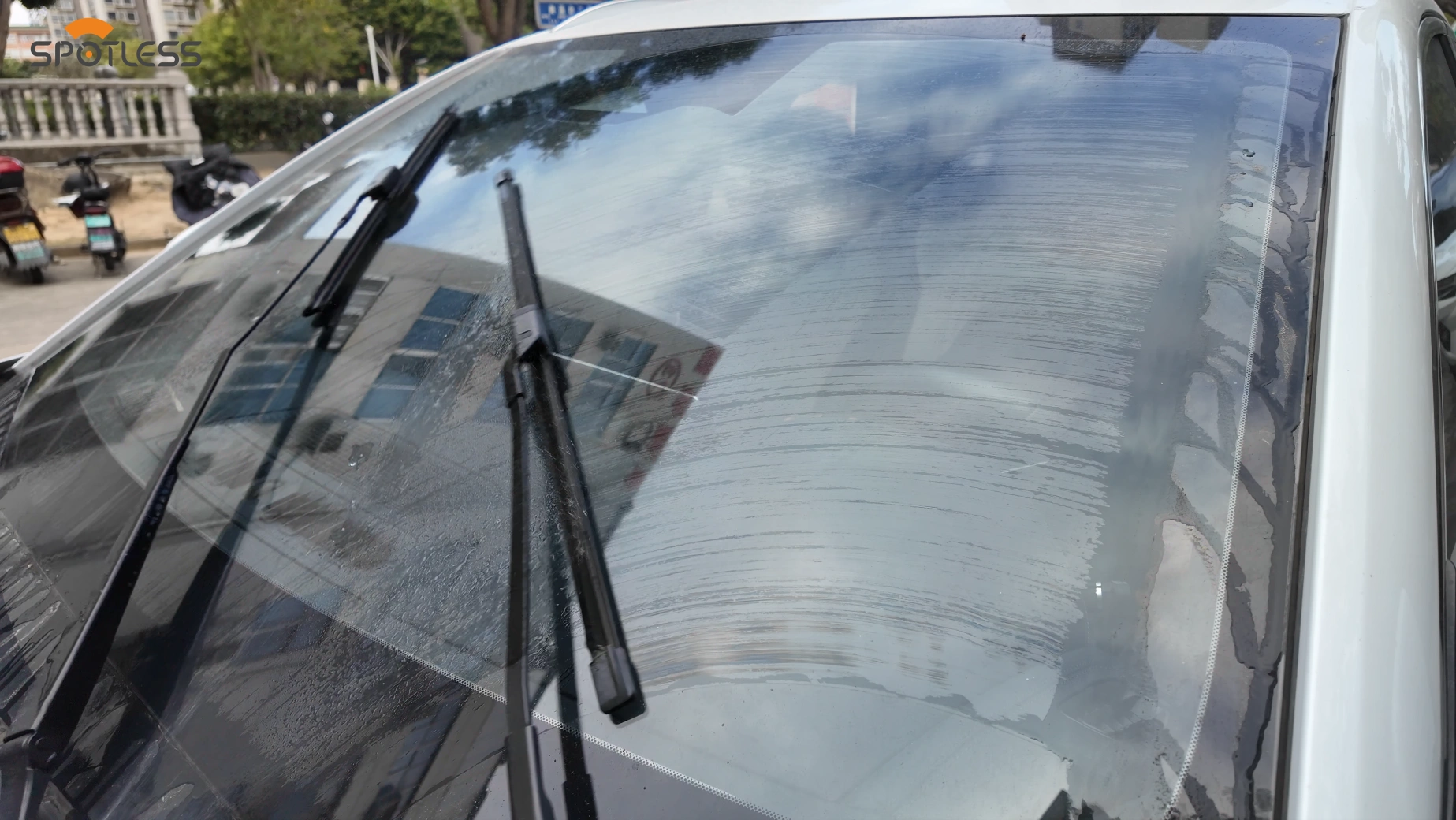
Chattering is often not a blade problem. It can come from the wiper arm or poor alignment.
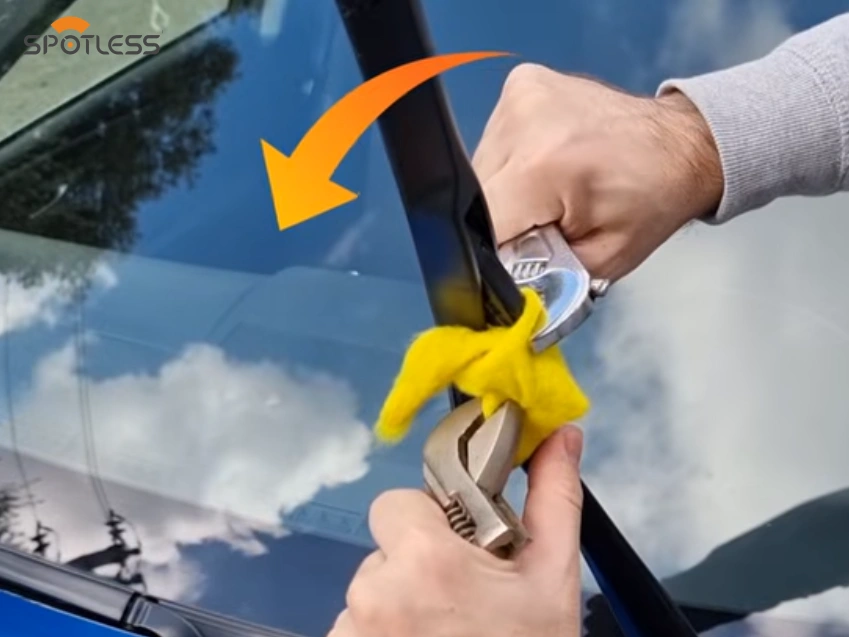
Check the angle. The wiper should sit roughly at a 90-degree angle to the glass. If the arm is twisted, carefully adjust it back.
Check the hinge. Clean away rust or dirt around the hinge and add some lubricant if needed.
Check the spring. If the arm cannot press the blade firmly against the glass, the wiper arm may need to be replaced. A new wiper blade cannot fix weak arm pressure. (TomorrowsTechnician)
Wet the windshield first. Do not run the wipers on dry glass.
Clean the glass. Remove wax, dirt, and silicone residue.
Check the rubber. If the noise remains after cleaning, the rubber may have hardened and the blade may need to be replaced.
These simple steps can fix many squeaking problems and are also part of basic windshield wiper maintenance.
Not every wiper problem means you need a new wiper blade.
|
Condition |
What to do |
|
Streaks are caused by oil film or dirt The wiper arm angle is wrong and causes chattering Squeaking is caused by contamination |
Try repairing or cleaning first |
|
The wiping edge is cracked The rubber has hardened The edge is clearly worn |
Replace the rubber first |
|
The spring is too weak The wiper arm is bent The spline is damaged |
Replace the whole wiper arm first |
In harsh environments, silicone wiper blades are also an option. Compared with standard rubber, silicone offers better resistance to high and low temperatures, UV exposure, and ozone. Valeo Everguard reports that silicone wipers can last twice as long as standard rubber in ozone testing.
For auto parts stores and repair technicians, a basic check can help avoid unnecessary returns. Before recommending new wiper blades, check these three things:
Clean the windshield → Check the wiper arm → Check the rubber strips
This simple windshield wiper repair and maintenance process can quickly show whether the problem comes from contamination, poor alignment, or worn wiper blades.
For customers, it can help avoid paying for a full wiper blade replacement when it is not needed. For retailers, it means more accurate recommendations and better customer trust.
SPOTLESS supplies both silicone and natural rubber wiper blades, covering up to 99% of vehicle models. We support auto parts stores and wholesalers with wiper blades suited for maintenance-focused sales. For wiper product information or free samples, feel free to email wiperblade8@xmyujin.com.