In everyday car maintenance, wiper fluid is often judged by a single standard: how quickly it removes grease, road film, and insect residue. Washer fluid is usually evaluated by how fast it cuts through grease, road film, and insect residue. What often goes unnoticed is the effect it has after the windshield looks clean. The formulation of the fluid plays a quiet but decisive role in how long a wiper blade actually lasts. Many in the industry—and many drivers—pay close attention to cleaning strength, yet give little thought to how the fluid’s pH interacts with rubber over time.
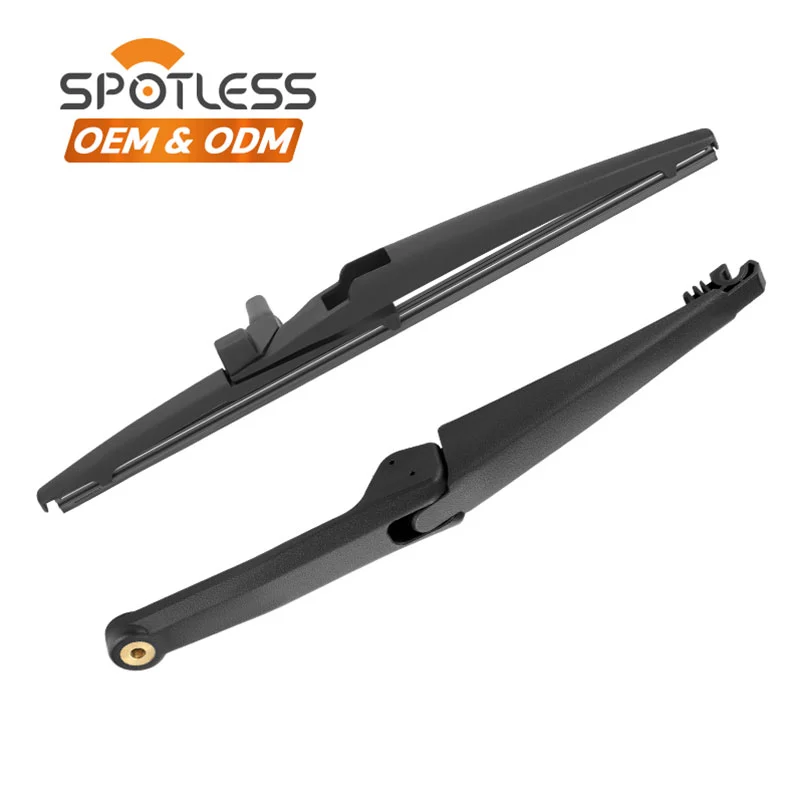
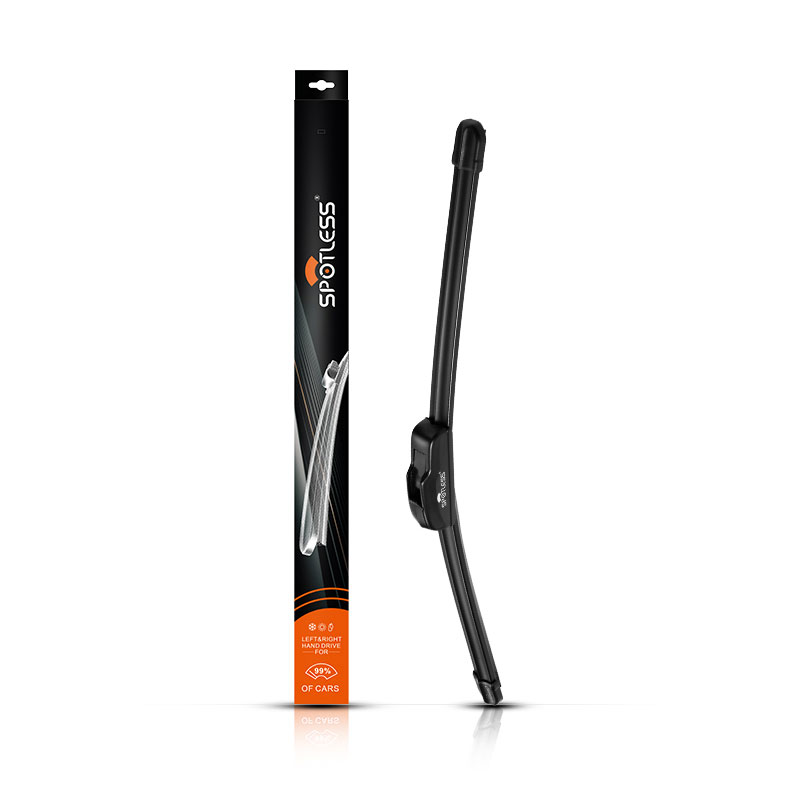
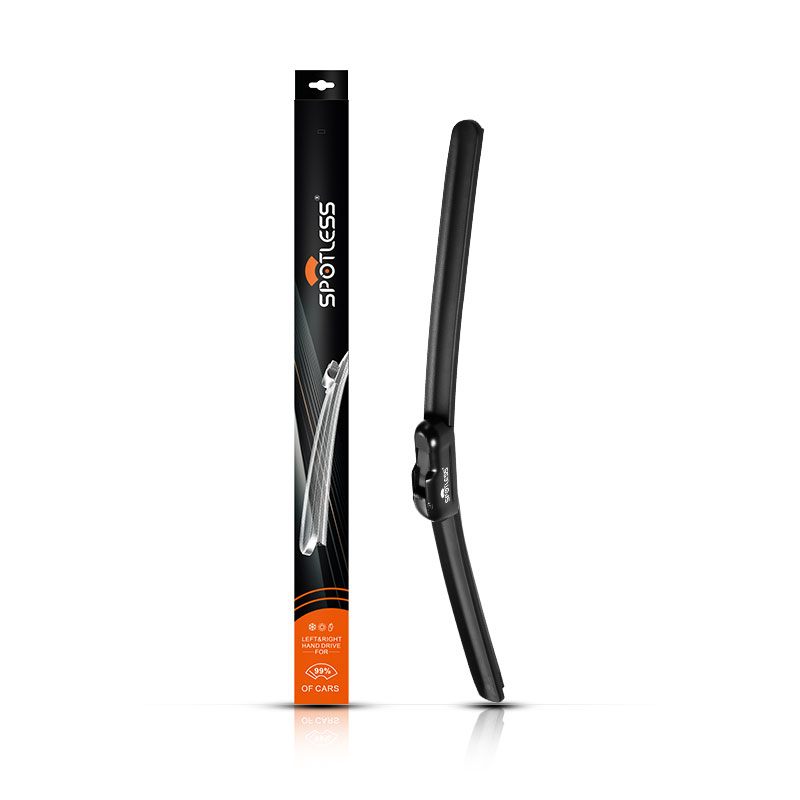
Most wiper blades are produced from natural rubber or EPDM (ethylene propylene diene monomer). These materials are known for flexibility and weather resistance, but they are still sensitive to chemical exposure. Rubber refill is not a sealed surface. It contains microscopic pores that allow washer fluid to seep in gradually, making chemical compatibility far more important than many assume.
| pH |
Key Chemical Processes |
Direct Impact |
Market Prevalence |
|
Alkaline (pH > 7) |
Hydrolysis and oxidation occur more rapidly |
Material stiffens, elasticity decreases, fine surface cracks begin to form |
Very Common |
|
Acidic (pH < 7) |
Can cause rubber degradation |
Structural breakdown and performance decline |
Less Common |
Unfortunately, low-cost, highly alkaline washer fluids are still widely available. As a result, alkalinity has become one of the most overlooked yet aggressive contributors to premature wiper blade aging.
Most pH-balanced washer fluids sit within a range of 7 to 9, which has been shown to be far more rubber-friendly. This balance allows the fluid to clean effectively without placing unnecessary chemical stress on the blade material.
For auto parts retailers and wholesalers, neutral formulations mean fewer early wiper failures, more consistent wiping results, and quieter operation. All three reduce after-sales complaints and help build long-term customer confidence. Test data also shows that neutral formulations can noticeably extend the usable life of wiper blades.
When selecting washer fluid for your store, consider taking one extra step beyond the product itself: actively communicate the concept of “wiper maintenance” to vehicle owners. Position pH-balanced washer fluid as a protective maintenance product, not just a cleaner.
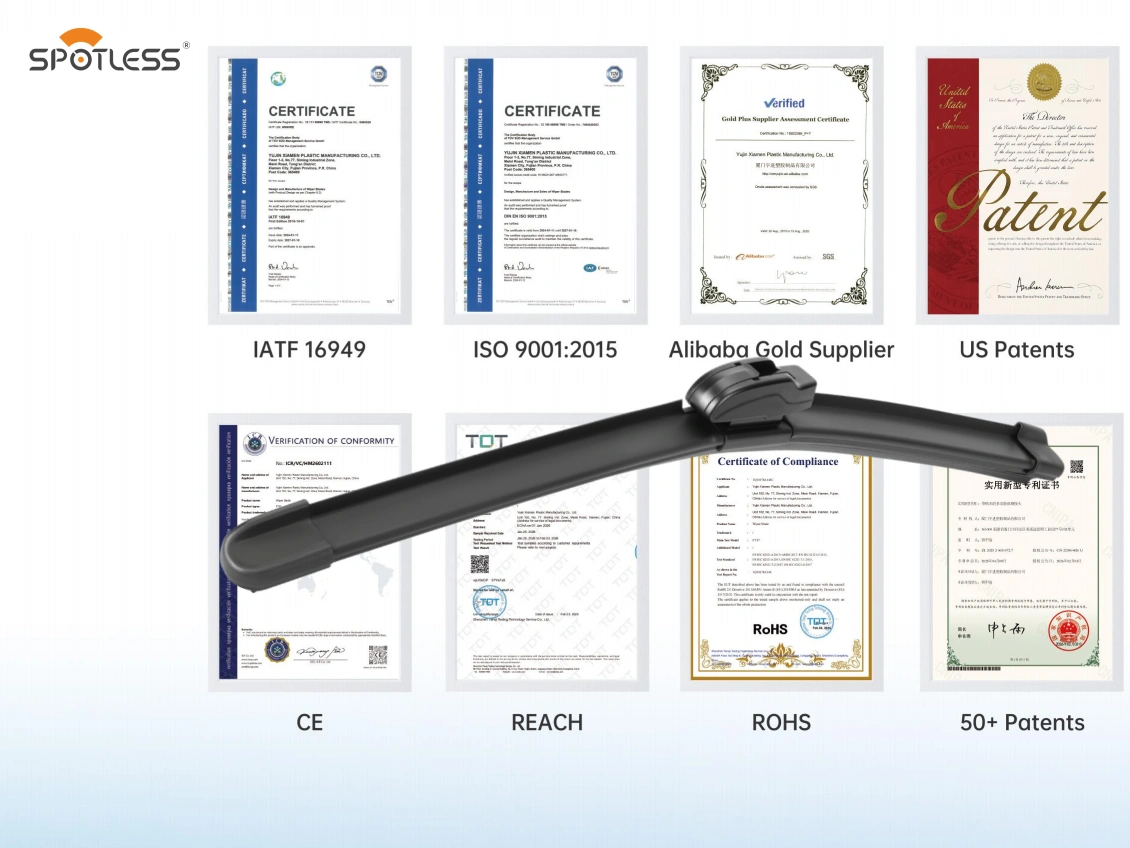
One effective strategy is to bundle premium wiper blades with neutral washer fluid. This approach increases average order value while reducing complaints caused by premature blade wear. More importantly, partnering with a wiper supplier that offers technical guidance and training—rather than simply selling products—can build long-term trust and create a clear competitive advantage.

Alkaline washer fluid may appear cost-effective at first, but its hidden chemical impact shortens wiper blade life and can ultimately affect driving safety. pH-balanced formulations help preserve wiping performance, reduce overall maintenance costs, and support a more scientific and sustainable approach to vehicle care.
Protecting rubber is not just maintenance—it is a long-term investment in product durability, driving safety, and brand reputation.
If you would like more information on wiper blade testing, or need store-ready materials and product solutions, feel free to email wiperblade8@xmyujin.com or Contact us. We specialize in technically supported wiper solutions and high-quality washer fluids, helping our partners better serve end customers.