A competitive price doesn’t always mean a successful wiper blade import. The wrong HS code, hidden duties, unclear product specifications, or samples that don’t match the bulk order can all add costs and delay delivery.
Before placing an order, use this 20-point wiper blade sourcing checklist to check the products, quality, costs, and supplier.
1. HS/HTS Code: First, confirm the 6-digit HS code for wiper blades (8512.40), then check the full tariff code for your country. U.S. market should verify the applicable 10-digit HTS code. For other markets, check the local TARIC or tariff code.
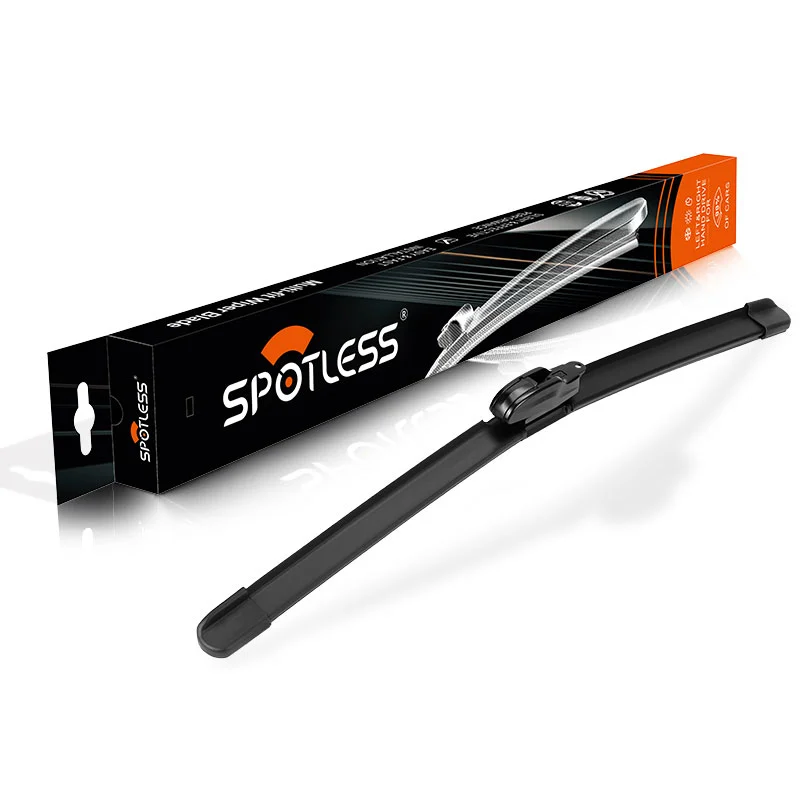
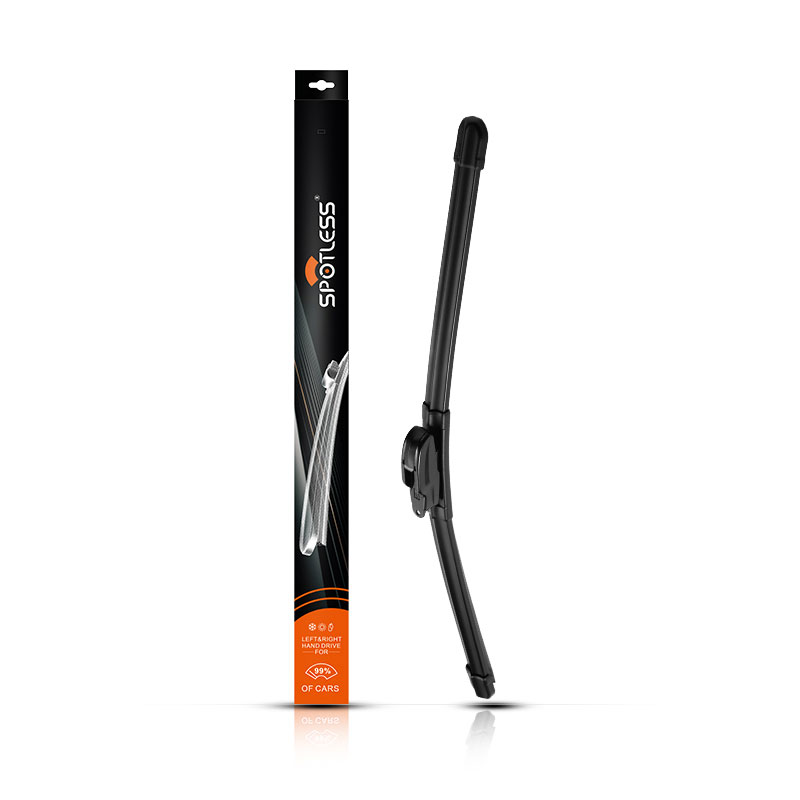
2. Vehicle Fitment: Compare your SKU list with the vehicles in your local market. Don’t rely only on claims like “universal fit.” Ask for a fitment chart.
3. Adapter Type: Confirm the connector type, such as hook, pin, or bayonet. Also check whether adapters come pre-installed or are packed separately.
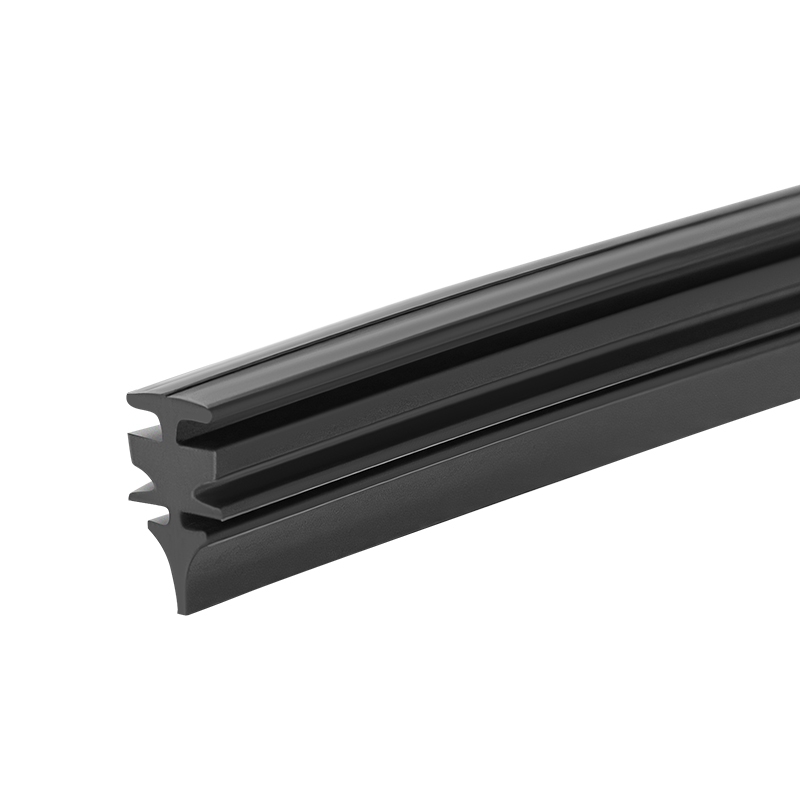
4. Rubber/Silicone Specifications: Check material hardness and low-temperature flexibility based on your target climate.
5. Packaging: Confirm barcode and label requirements. Also check whether the packaging MOQ is separate from the wiper blade MOQ.
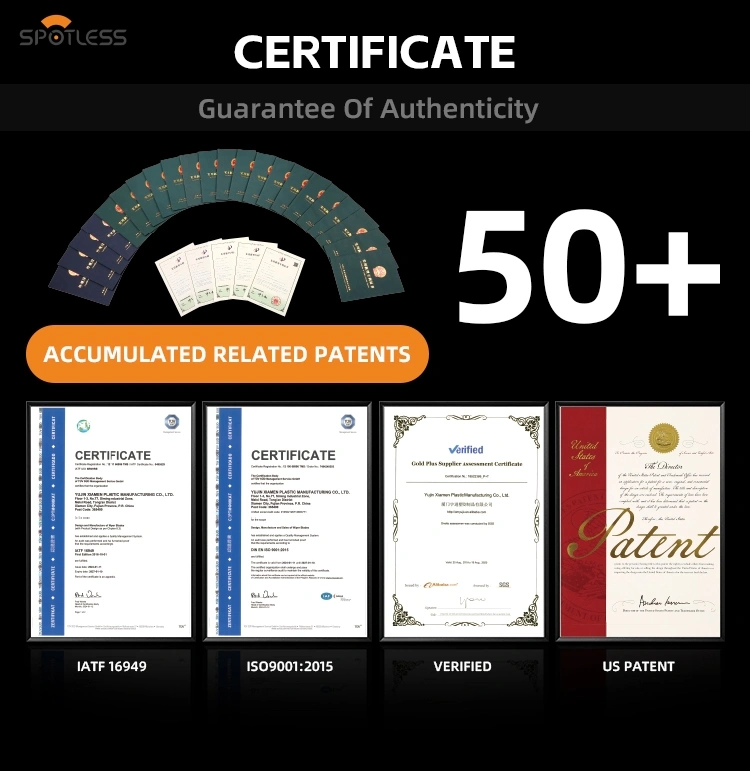
6. IATF 16949 Scope: Check whether the certificate covers the actual factory site where the car window wiper blades are made.
7. Batch Test Reports: Request durability and performance test data for the specific SKUs you plan to order.
8. Rubber Compounding: Check whether rubber mixing is done in-house. This helps keep material quality consistent and gives the factory better control over customization.
9. Change Control: Require written approval before any changes to materials, suppliers, or production processes.
10. Material Compliance: Confirm that the supplier can provide RoHS, REACH, or other required chemical compliance documents.
11. Landed Cost: Calculate the full import cost, including duties, possible anti-dumping measures, regional surcharges, freight, and insurance.
12. MOQ Rules: Confirm whether the MOQ applies to each car windshield wiper blade size and connector type or to the whole order.
13. Incoterms: Confirm whether the order uses FOB, CIF, or DDP terms. Make clear who handles freight, insurance, and customs clearance.
14. Lead Time: Get a clear schedule for payment, production, inspection, and cargo readiness. Shipping time should be listed separately.
15. Payment Terms: Confirm the deposit percentage, when the balance is due, and which payment methods are accepted.
16. Sample-to-Bulk Consistency: Request production line samples and ask how the factory keeps bulk orders consistent with the approved samples.
17. Spare Parts: Check whether separate adapters and replacement rubber strips are available for after-sales support.
18. Warranty Policy: Agree in writing on defect responsibility, claim procedures, and replacement or refund terms.
19. Customs Documents: Confirm that the supplier can provide a commercial invoice, packing list, bill of lading, and any required certificate of origin or compliance documents.
20. Price Adjustments: Clarify how changes in rubber, steel, and other raw material costs may affect future order prices.
A successful wiper blade import starts with the checks you make before payment, not after the goods arrive.
SPOTLESS can provide certification documents, test data for specific wiper blade models, and support with production change control.
Want to make your next wiper blade order easier to manage? Email wiperblade8@xmyujin.com to discuss your sourcing needs.
-